
Bay Area duo Phipps Pt. on iteration, collaboration, and psychedelic folk
Lovage Sharrock and Jon Leidecker discuss Bay Area experimental music history, '70s French experimental folk music, and the challenge (and the joy) of developing a genuine collaborative process.

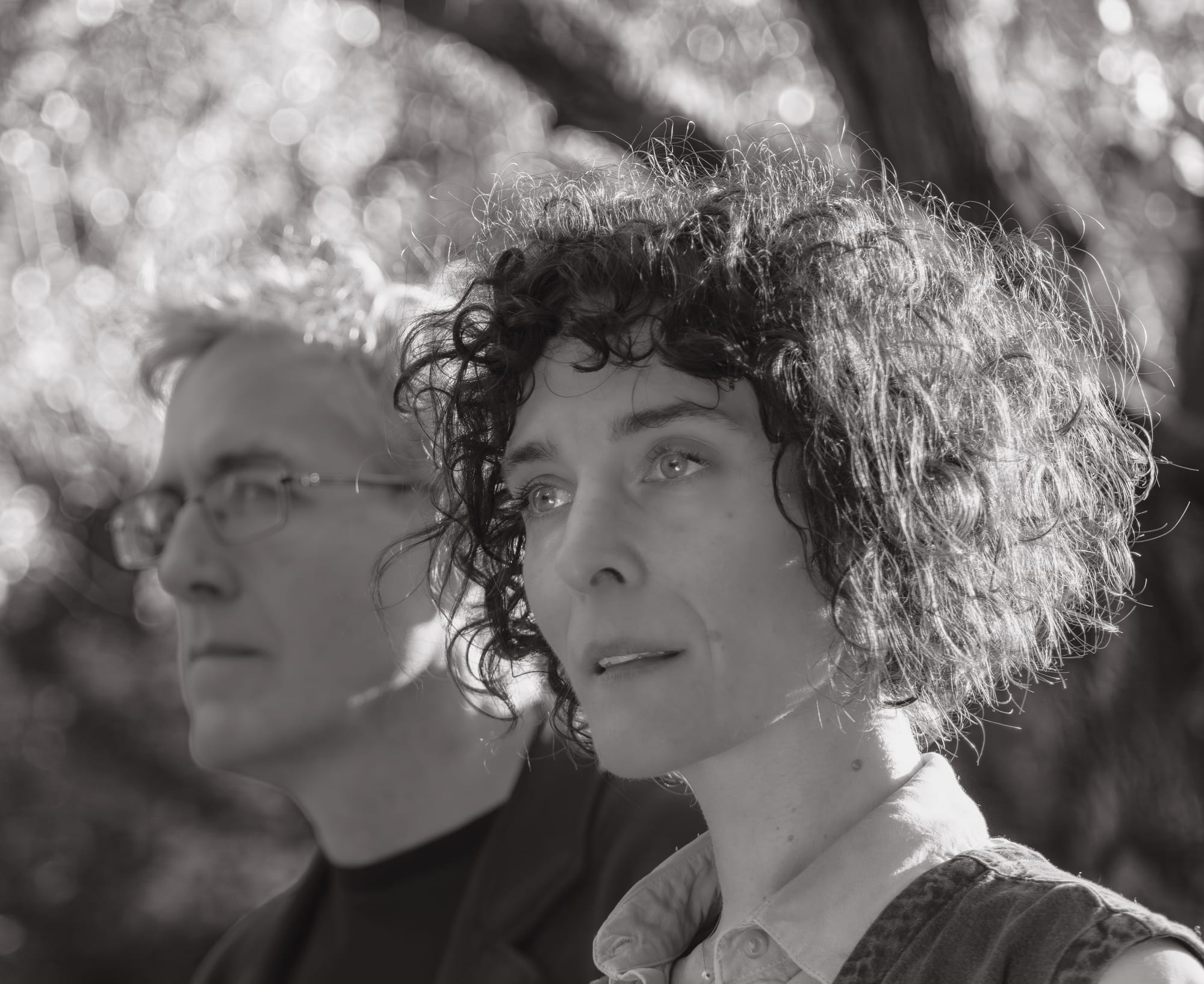
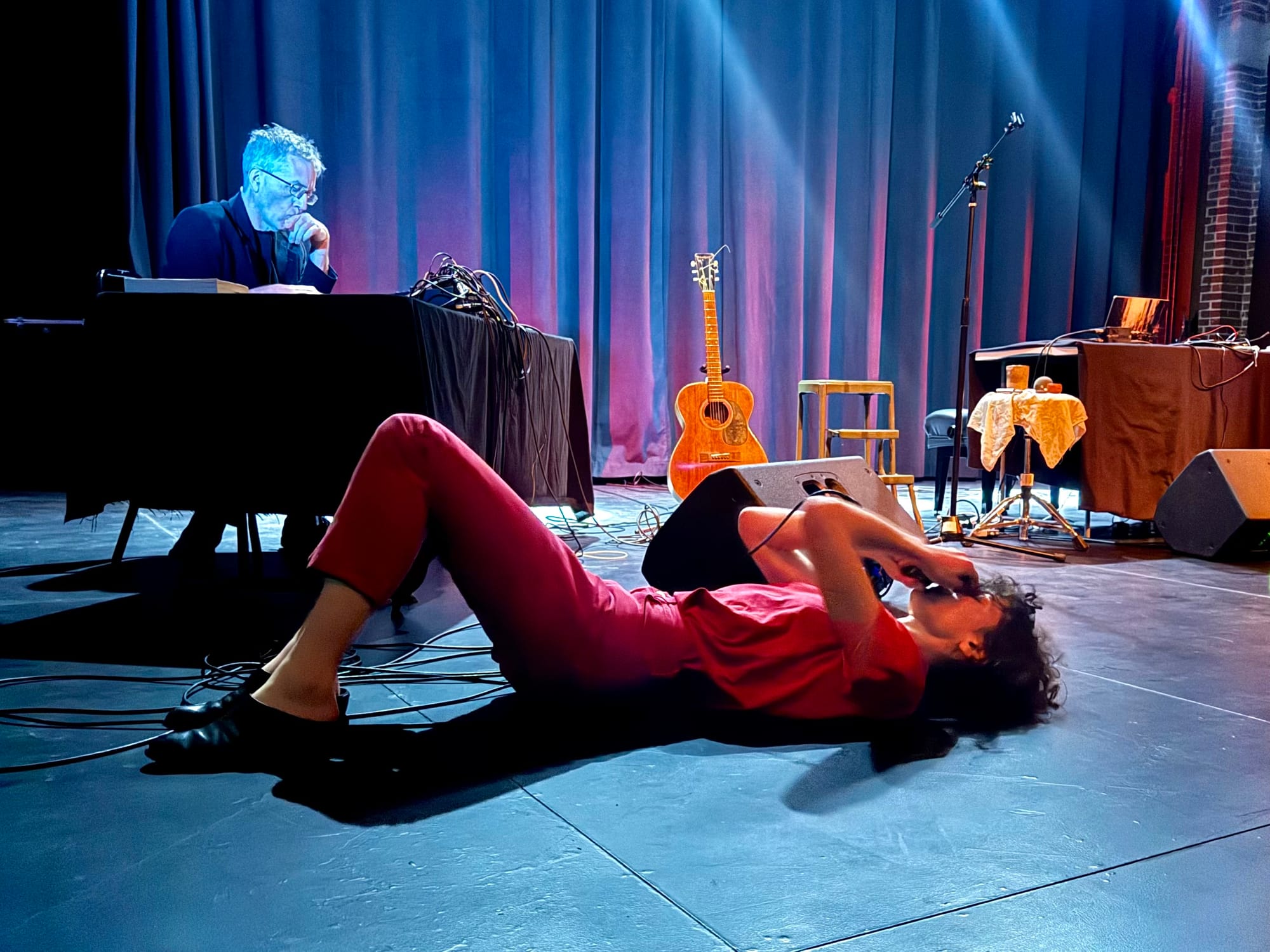
As you'll read below, Songs We No Longer Sing was nearly a decade in the making, the consequence of Sharrock's and Leidecker's iterations and edits. Though the album was painstakingly refined, the duo unfurls during live performance, embracing the chaos and uncertainty of Leidecker's electronic processing.
Over the course of our hour-long conversation, we charted through Bay Area experimental music history; moving from concept to realization; the influence of nature; '70s French experimental folk music; and the challenge (and the joy) of developing a genuine collaborative process.
"That's the way I like to think when you hear us play live: Oh, wow, there's a song in there somewhere," says Leidecker.
What songs they are.
Lovage Sharrock
I'm from British Columbia—a tiny rural island in British Columbia. Victoria is at the bottom tip of Vancouver Island, and then if you travel up about a couple hours, and then you take another ferry over to a different island, and then go across that one, then take another ferry across from that one—then you eventually get to the island where I'm from.
I grew up playing a bunch of random instruments. I've always just been around music. When I was 18, I started teaching myself guitar, but I never played, really, in any bands—I was kind of hiding in my basement, or just in my room, playing acoustic, forever.
And then when I moved to the Bay Area, I studied American Sign Language and Deaf studies. I had a friend who had gone to Mills [College, in Oakland], and I'd mess around with her husband's friends and their bands and things, who also pushed me to put out the first Phipps Pt. cassette on his label, Sanity Muffin. Eventually I just decided to go to Mills and study music. It was interesting because I was an older resuming student, so [I came to Mills already knowing] a lot of different things—I already had very weird tastes in music.
I was getting introduced to a bunch of new things, of course, but I've never really been a computer music person, and at Mills, it was mostly computers in general. I didn't have an iPhone or anything the whole time I was [at Mills]—until maybe 2010 or 2012.
But yes, I got introduced to a bunch of different computer music things, and that's actually about the time that I met Jon [Leidecker, aka Wobbly], around 2008 or 2009, through a group of people who were connected through Mills.

Jon Leidecker
There was a club [in San Francisco] at, I think, 222 Utah St., called Eggs, run by Safety Scissors [aka Matthew Patterson Curry] and Evans Hankey, that was trying to do "weird music, but in clubs." Not necessarily dance music, but [still in club spaces]. And that was a classic San Francisco tradition, and that was where I remember first meeting Lovage.
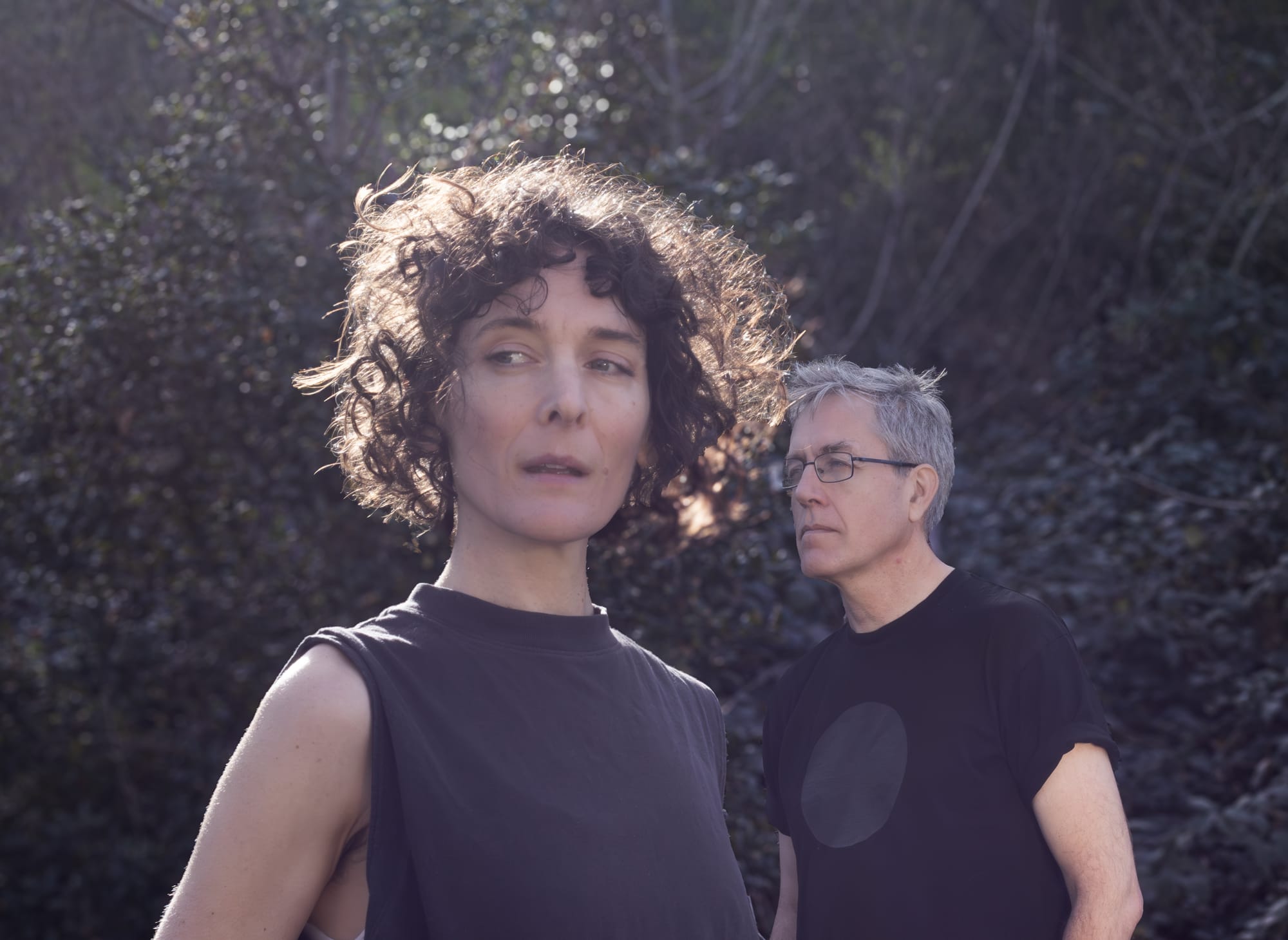
We actually started collaborating around 2012, 2013, when she had some songs written and needed a little bit of help with production.
Lovage Sharrock
[Back then,] I had been doing [music] as Phipps Pt.—I don't know if I had even called it Phipps Pt. I've never been a shredder guitar person. Instead, I really like very hypnotic patterns, and that's what I taught myself—and that's just part of my personality, is these strange little iterative, shifting [guitar pieces] where, often, I've just figured out the muscle memory of it, and I don't really know what it is.
Sometimes Jon will say, What chord are you playing? And I don't even know. I just moved this finger over here, and then I have to actually stop, and think about [what I played,] and figure it out. I would play with those [songs], whatever they were, with someone different, every time. I would perform them with someone different, or practice them with someone different, and [that would] keep me on my toes with something that, otherwise, is very hypnotic and [self-driven].
Because I had been playing [those songs] with so many different people, and everybody kind of made something different out of them, I wanted to record the same songs over, and over, and over, in all these different ways. And I wanted to do that for [a duration of] 10 years.
Everyone at Mills, and everyone who I knew, told me: That is the worst idea. You're gonna make yourself crazy. And I was like, Well, who's not crazy? But Jon said, That's a great idea. He was maybe the only one who liked it. So he was down to help me try a few different versions of [those songs].
What's interesting is, on that first cassette from 2014, some of the songs are ones that Jon helped produce, and some of them, when we worked on them, he would say, You know, I think your version, that you did in GarageBand, or on your 4-track, is actually better. It wasn't about Jon thinking, Oh, I worked on this, so this has to be [the version we go with]. Sometimes he was like, [Your solo take] is the better version. And it made me trust him in a different way—he was really in service of the piece, you know. I appreciate that he was thinking: This is the correct expression of this one.
Jon Leidecker
GarageBand is great. You were halfway done [with the 2014 tape album] before I showed up, definitely.
[I have some experience as a songwriter,] but it all depends on what you call it. I always need somebody else's help if there's going to be something "song-like" involved.
Lovage Sharrock
The [Phipps Pt.] process is, I write the songs—Jon likes to say, if I don't make noise, then there's nothing for him to play with, which I don't think is totally true, but—generally, I come up with whatever pattern or song, and then Jon comes in and helps turn it into what it's really supposed to be, what it's meant to be.
Working with Jon meant: I don't know what's going to happen. That keeps me on my toes more than anything else, and it causes me a huge amount of delight. On stage, and in general, I'm usually absolutely thrilled [with our music] because I don't actually know what's going to happen when Jon is involved, because he is improvising a lot. There is a structure [to what he does], but he's exploring, and his work is very indeterminate, too. He's never just "pressing play," you know.