
This Is Not a Year-End List
Instead, it's an open-format catalogue of the things that mattered in 2025, plus a lot of excellent records.

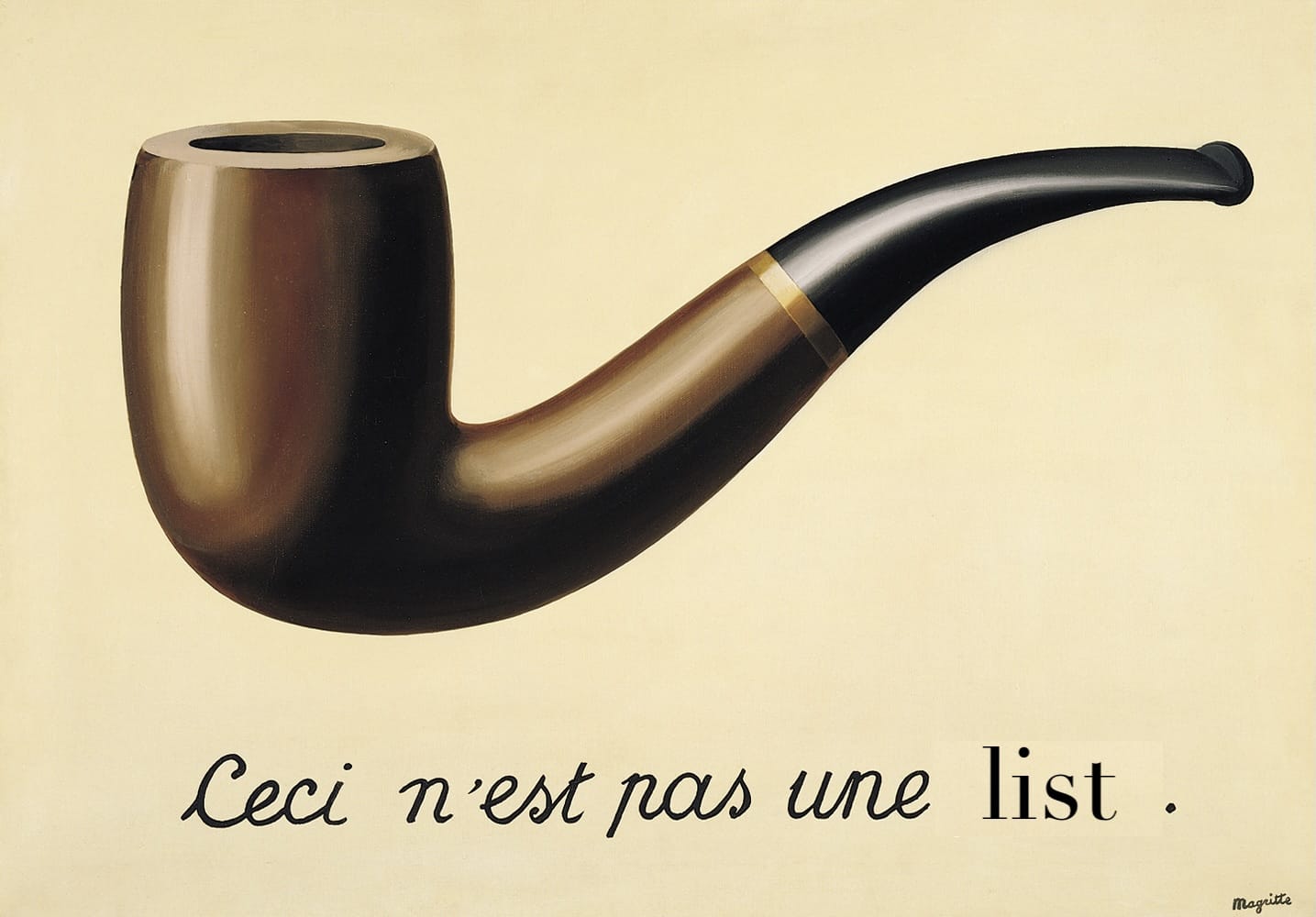
I confess: When it comes to Year-End List Season—traditionally December but which now, sometimes, creeps up in November, like Christmas music at the grocery store—I am a staunch, inveterate Grinch. I think year-end lists, as a phenomenon and practice, are cooked. This essay by Drew Daniel for The Quietus (in list format, naturally) sums it up, as far as I'm concerned.
But look, I get it. People like lists. We are compelled to categorize, and even rank, the things we like. Year-end lists exist for a reason, I know.
In that spirit, I present This Is Not a Year-End List—instead, a diary of sorts: a loosely organized, open-format catalogue of things that mattered to me in 2025, above and beyond what I've already written about. Let's dive in.
When It Comes to Listening, Less is More
In 2025, I made an unofficial pact with myself: if I really liked a record, or if I just wanted to understand it better, I would listen to it over, and over, and over. This might seem obvious—and simple—but as it turns out, it wasn't.
Resisting the pull of novelty, and pushing back against the overwhelming, thought-obliterating, always-on tide of information overload, required intention and compromise. Listening to a record twice (or more) meant, in effect, choosing not to listen to something else.
As a result, there were many, many records I didn't listen to this year, even records I'd surely be really into. Numerous records sent by friends, or delivered via promo services, languished in inboxes, sound unheard. Alas, if you sent me something and I never got back to you, forgive me.
But it was worth it. I remembered, all over again, how wonderful it is to really sink into a particular record. To discover parts I didn't know about on first listen. To have weird songs stuck in my head.
And I think it showed in my writing, too: every record I wrote about this year, I listened to over and over again.
At Year's End, The Freak Folk Flag Flies High
I spent the last chunk of 2025 listening to a selection of psychedelic, acid-etched, freaked-out-weird folk records.
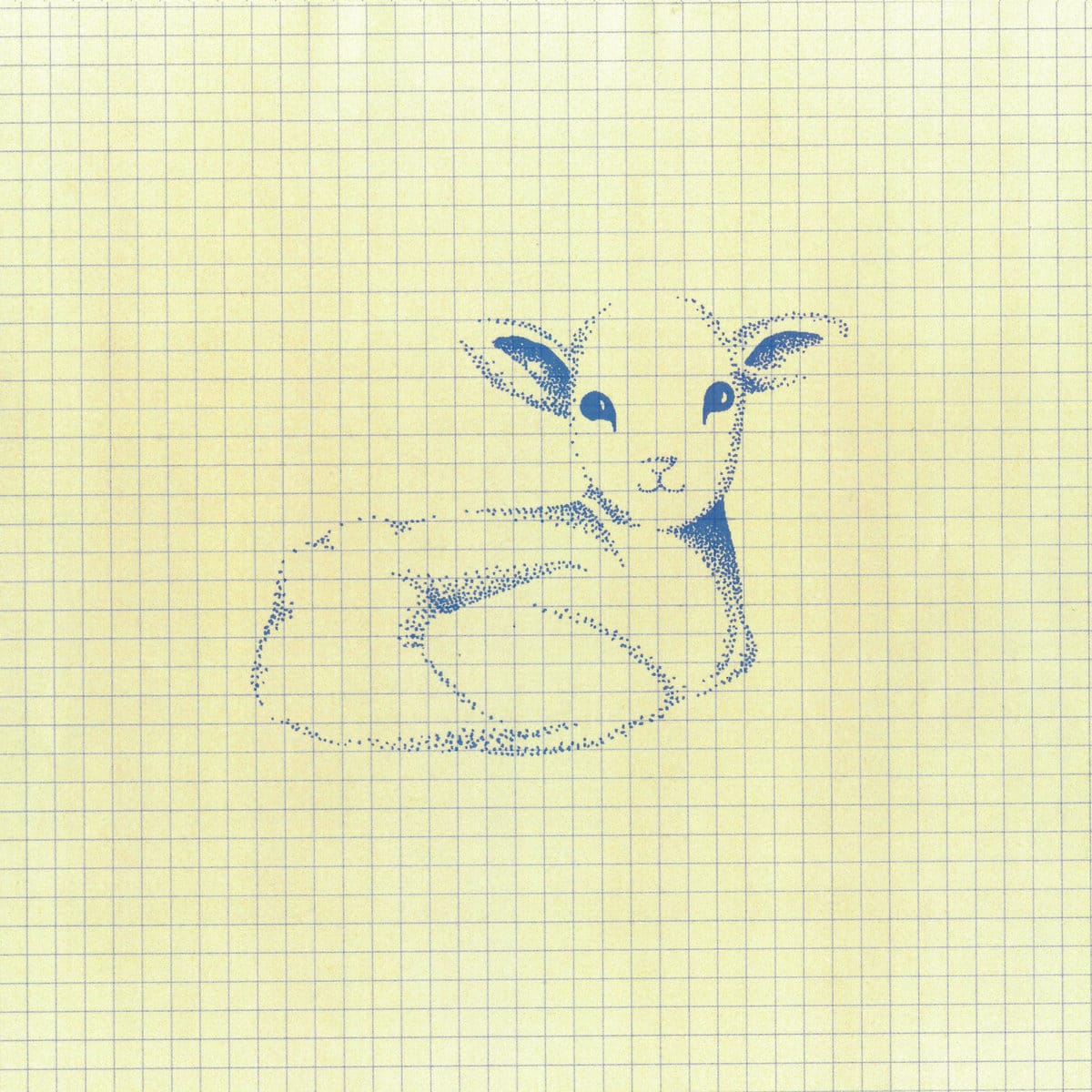
First up was LE DON DES LARMES by LÉO LA NUIT, a French-Algerian artist identified as "Léo ليلى." According to the release notes, the album was conceived, written, and recorded during her recent pregnancy—which might explain its breadth of moods, emotions, and stylistic diversions. She flits from lo-fi guitar ditties to yearning chansons (in French, Spanish, and English) and back again, with field recordings and a bit of trap-inspired autotune along the way. It's arrestingly catchy, utterly mesmerizing pop music for a borderless world.
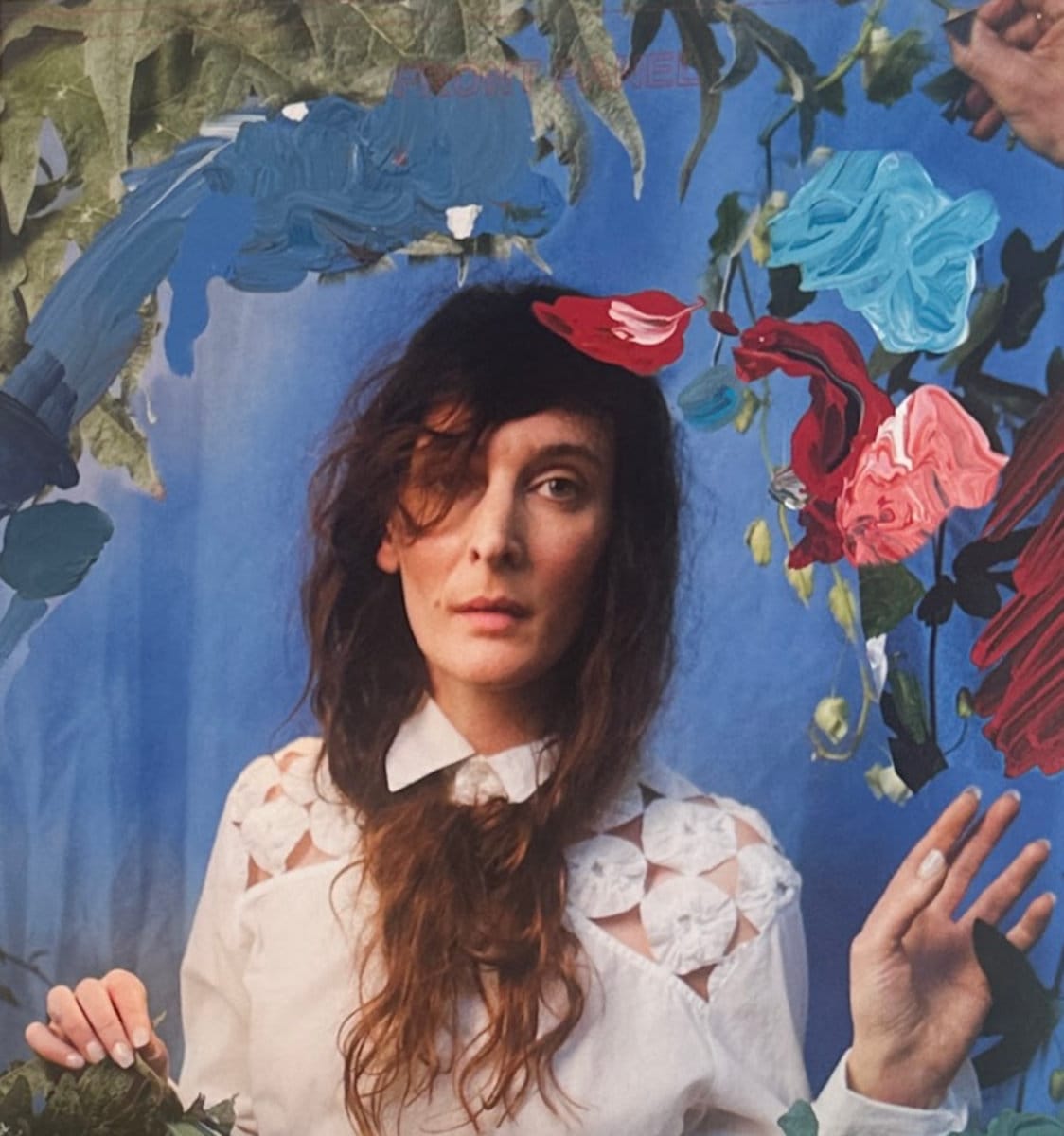
Next, Songs We No Longer Sing by Bay Area duo Phipps Pt. delivered unto me a seraphic vision of acid-folk heaven. Singer-songwriter Lovage Sharrock pens tender, swirling songs—just guitar and voice—which are then altered and corroded just-so by veteran experimental artist Jon Leidecker (aka Wobbly, and core member of Negativland). Gorgeous, cosmic, and heartfelt, this was one of my favorite discoveries of 2025.
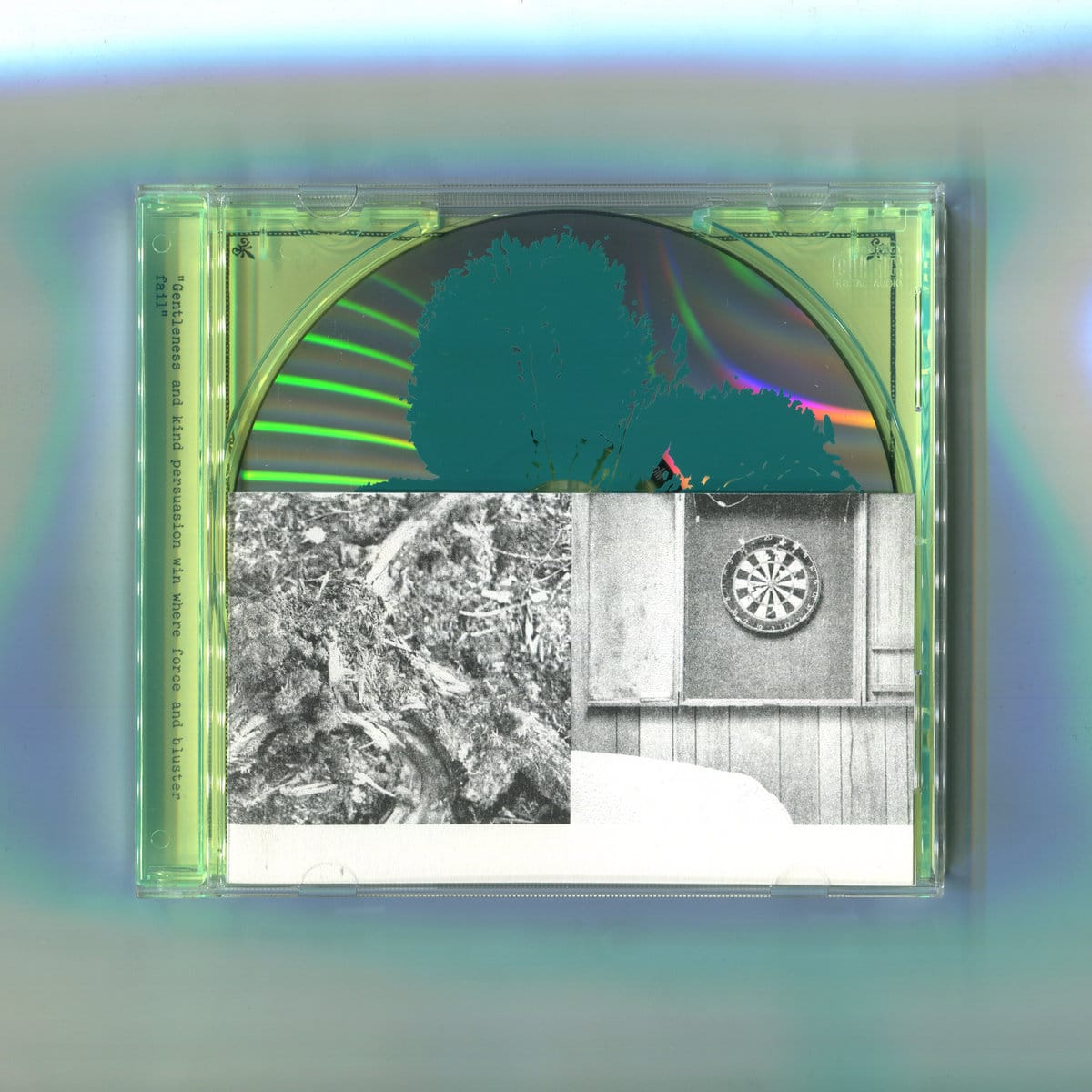
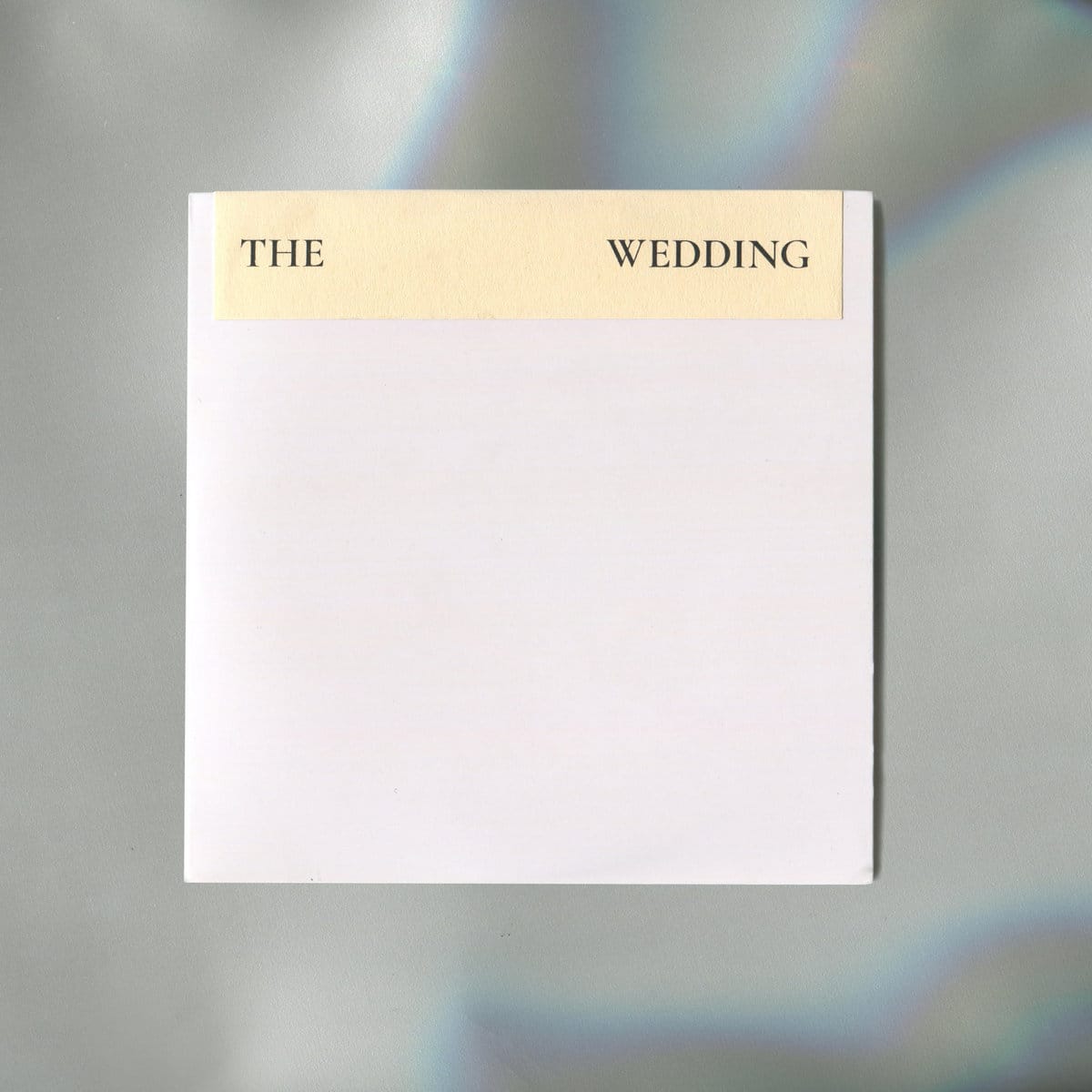
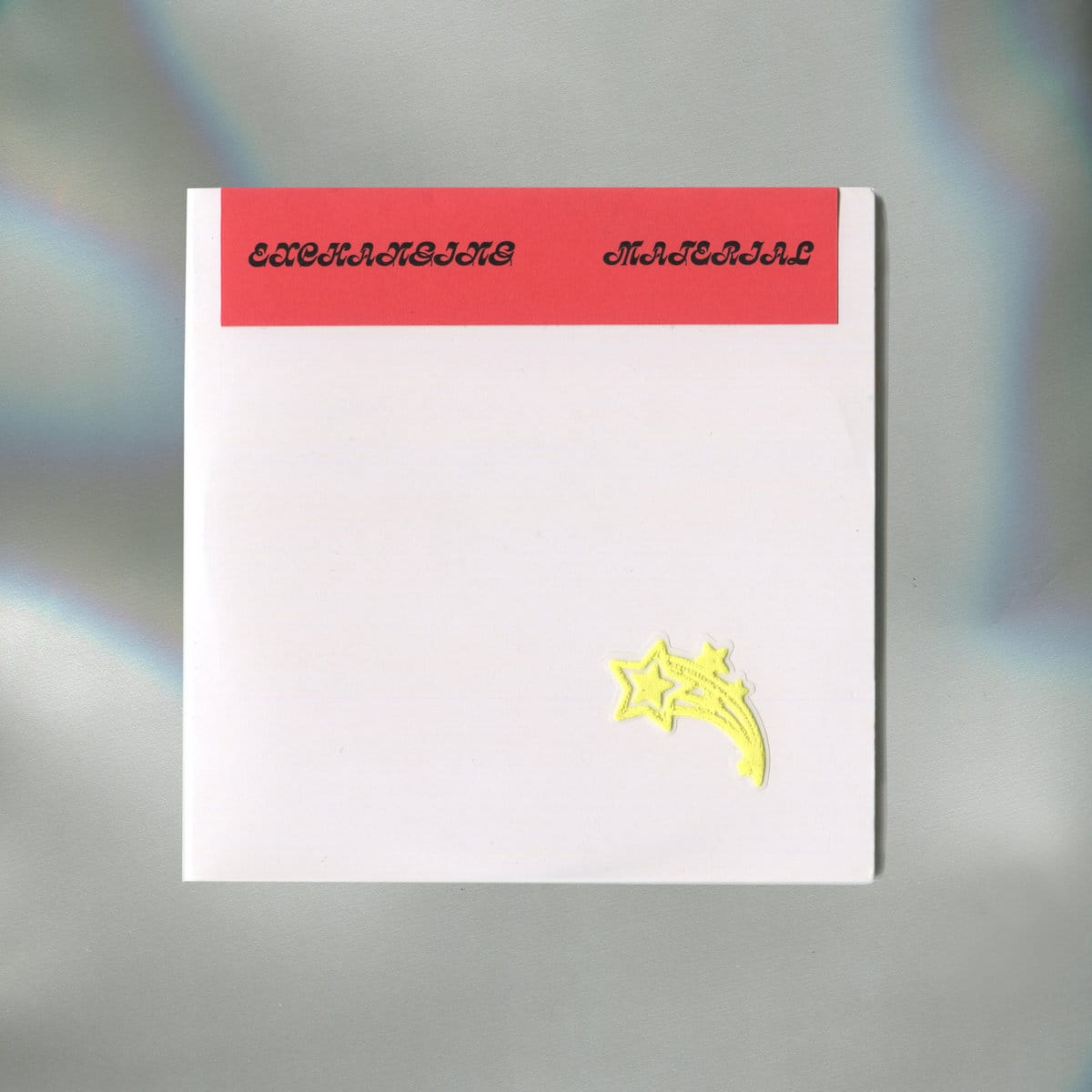
Three new records from Thomas Bush: IRISHFRENZY, The Wedding, Exchanging Material.
Lastly, British post-industrial maestro Thomas Bush, who dabbles in weird folk, avant techno, and constructivist sample-collage with equal aplomb, released a treasure trove of three records just before year-end. IRISHFRENZY, a duo offering with Jon Auman under the extraordinary moniker cATHOLIC CHURGH, is loopy, delicate, and dirge-like, hymnals for the left-hand path. The Wedding, an album "performed live to no-one" in 2024, rides a mantra-like groove into the white light of infinity across seven connected movements. Exchanging Material, a forty-minute "more or less live" recording featuring only Bush’s voice, a guitar, a Roland JX-3P, and a medieval harp called psaltery, is my favorite of the three, a monastic and stunningly beautiful study in iteration and devotion.
Faith is all. All is one. We worship at the shrine of the thylacine.
Neo-Psy & Lasercut Club
For the last 25 years, my life has been punctuated by a series of stylistic developments in club music that each, successively, have blown my mind to smithereens and expanded my conception of what rhythmic electronic sound is capable of. In the mid '00s it was dubstep; in the mid '10s it was half-time drum'n'bass; and today, in the mid '20s, it's the minimalist, uptempo sound where techno, psytrance, and more are converging—which I'm calling "neo-psy," for simplicity's sake.
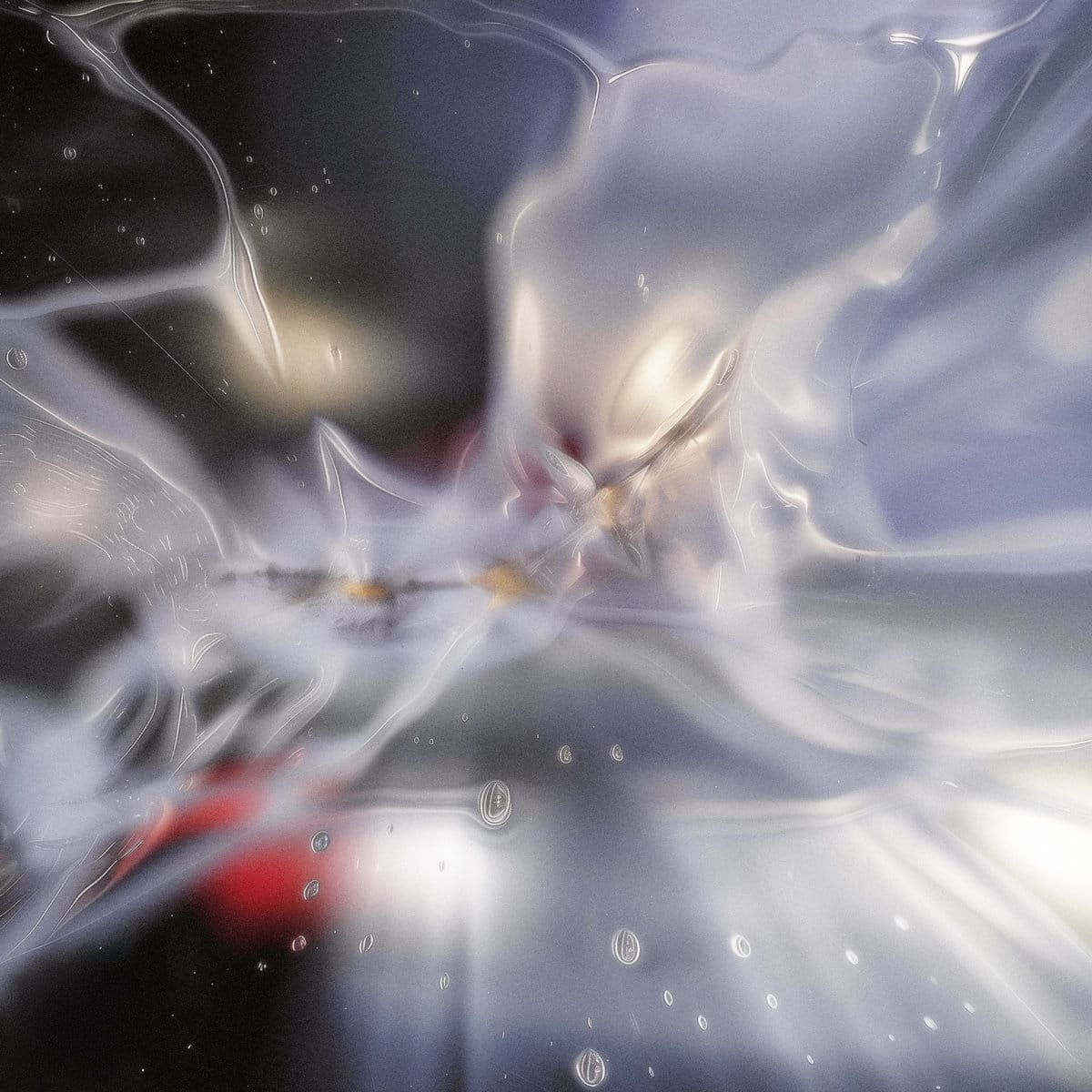
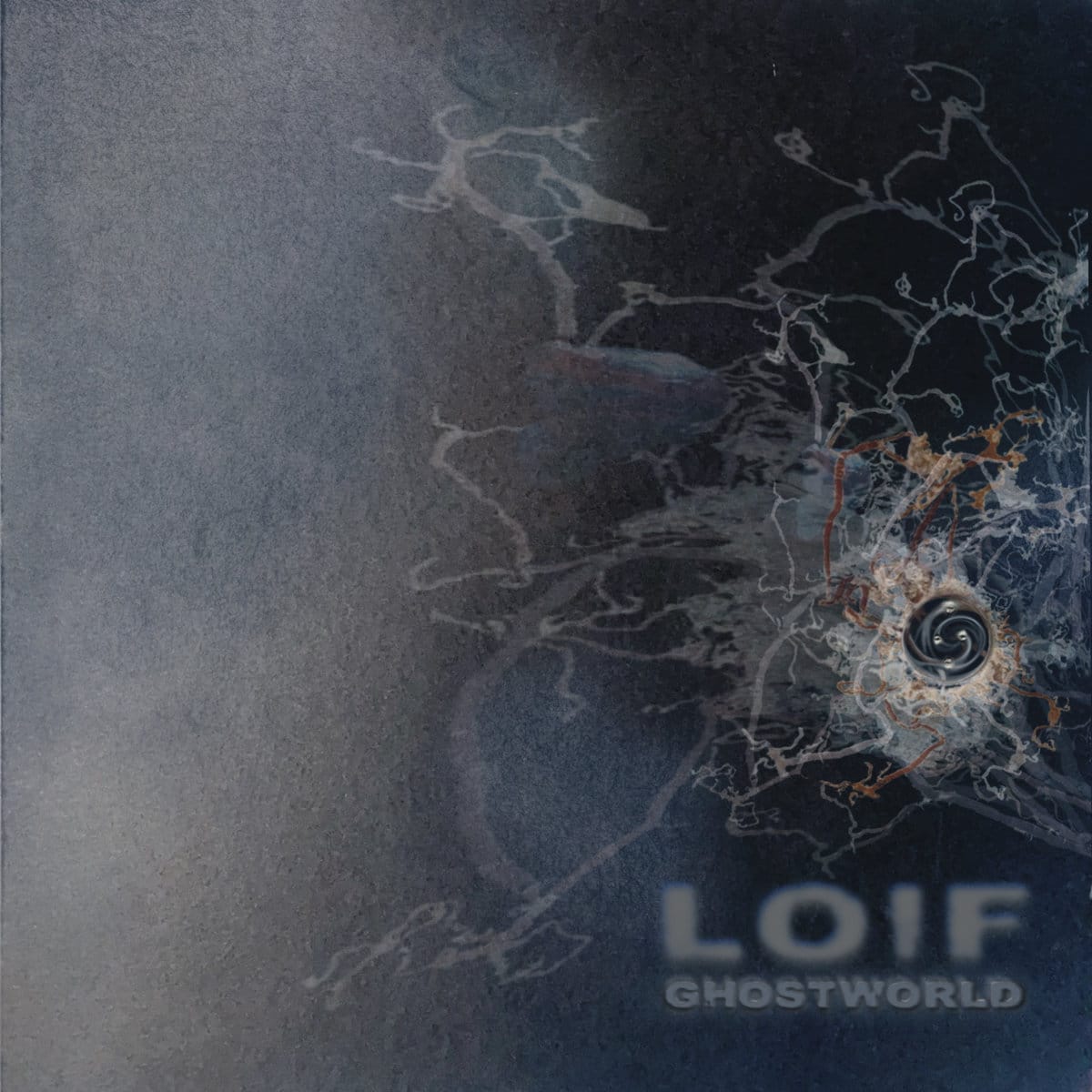
This new sound often features rubberized, arpeggiated basslines, like those typically associated with psytrance. But it's twisted upside down with glitchy, skittering, polar sound design, as heard on Carrier, the debut EP by LA producer Straye. (FYI: I wrote the release copy.) Other artists wield a brighter, sharper sheen, like Aussie producer LOIF, whose debut album, GHOSTWORLD, is an exemplar of this burgeoning style.
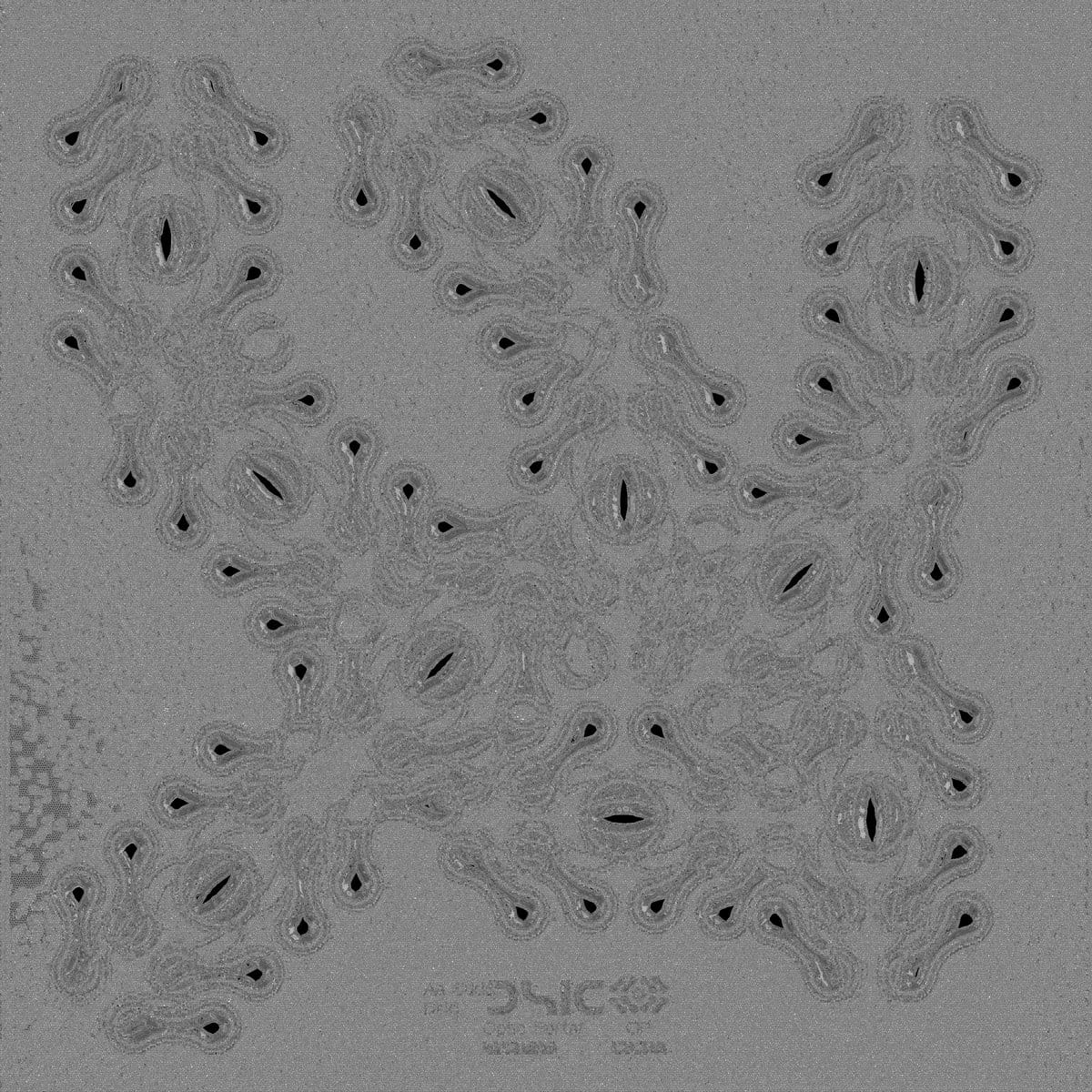
At higher tempos, proceedings sometimes approach the half-time realm: see Dsic, the debut album by German producer Aa Sudd, whose moniker feels as alien as his music sounds. If I had to write a one-line Hardwax-voice review of this record, it might be: Lasercut HD beat science with extraterrestrial designer atmospheres.
One of the best albums I heard in 2025, Dsic reminds me that the future of electronic music is always, and forever, still being written.
The Trip-Hop We Like Is Fully, Completely, Irrepressibly Back In Style
I am repeating myself once again, but trip-hop continues to be so back, and it's better than ever.
Extremely good trip-hop records just keep coming and don't stop: Dregs from last year; rest symbol from this year (a reissue but who's counting); Physical Therapy's Car Culture alias; Melbourne supergroup trickpony; the list goes on.
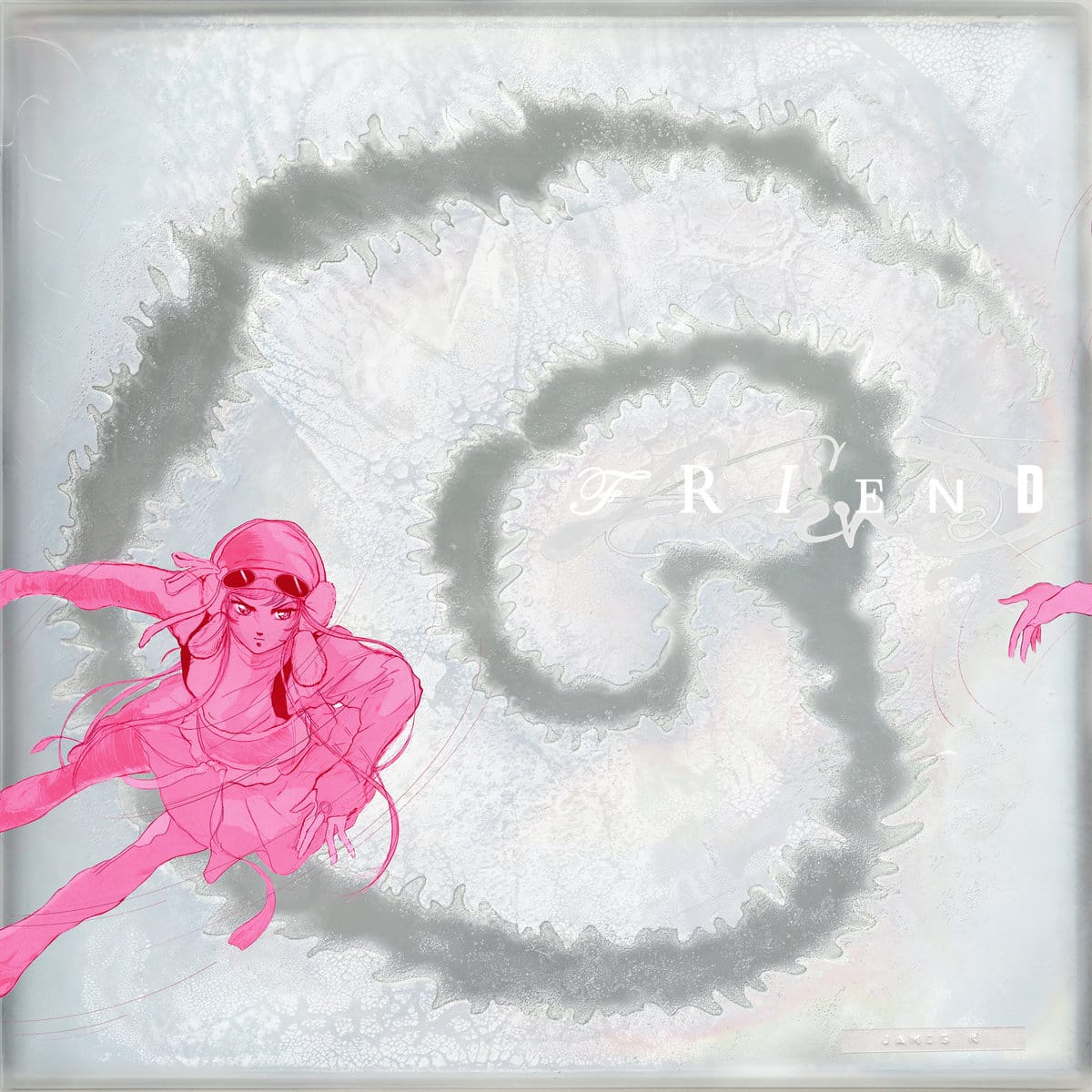
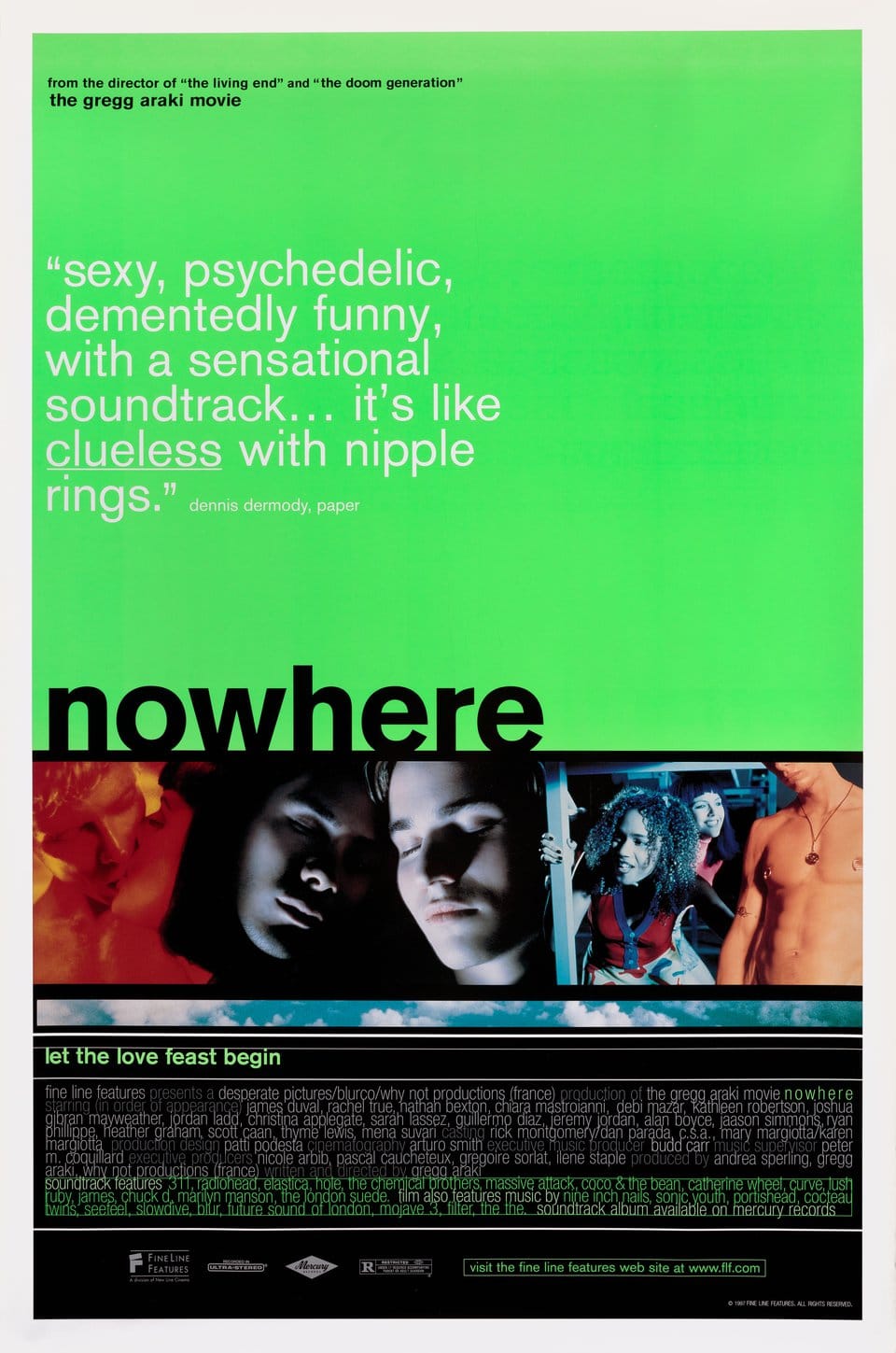
The standard-bearer, though, might be Friend, the new album by New York artist James K. It's pristine, pearlescent, and dreamy, like a heaven-sent vision from my late teenage years, when I would watch Gregg Araki's Nowhere repeatedly while wondering, desperately, if adulthood would ever be as cool, scary, sexy, and surreal as that film depicted.
The answer, as I eventually found out, is no. Listening to Friend makes me remember what that sense of wonder felt like, though, and maybe that's enough.
In Club Music, Compilations Rise to the Top
Compilations are foundational to club culture. They're calling cards for record labels and, sometimes, are instrumental in breaking new sounds themselves. (Just one example: 116 & Rising, the Hessle Audio compilation, 15 years old now, that paved the way for the kitchen-sink approach to bass music we now take for granted.)
But for numerous intersecting reasons—the decline of physical media; the flattened landscape of digital music; the ever-increasing cadence of new releases; and so on—the bleeding edge of club music in 2025 was found, to unprecedented degree, on compilations.

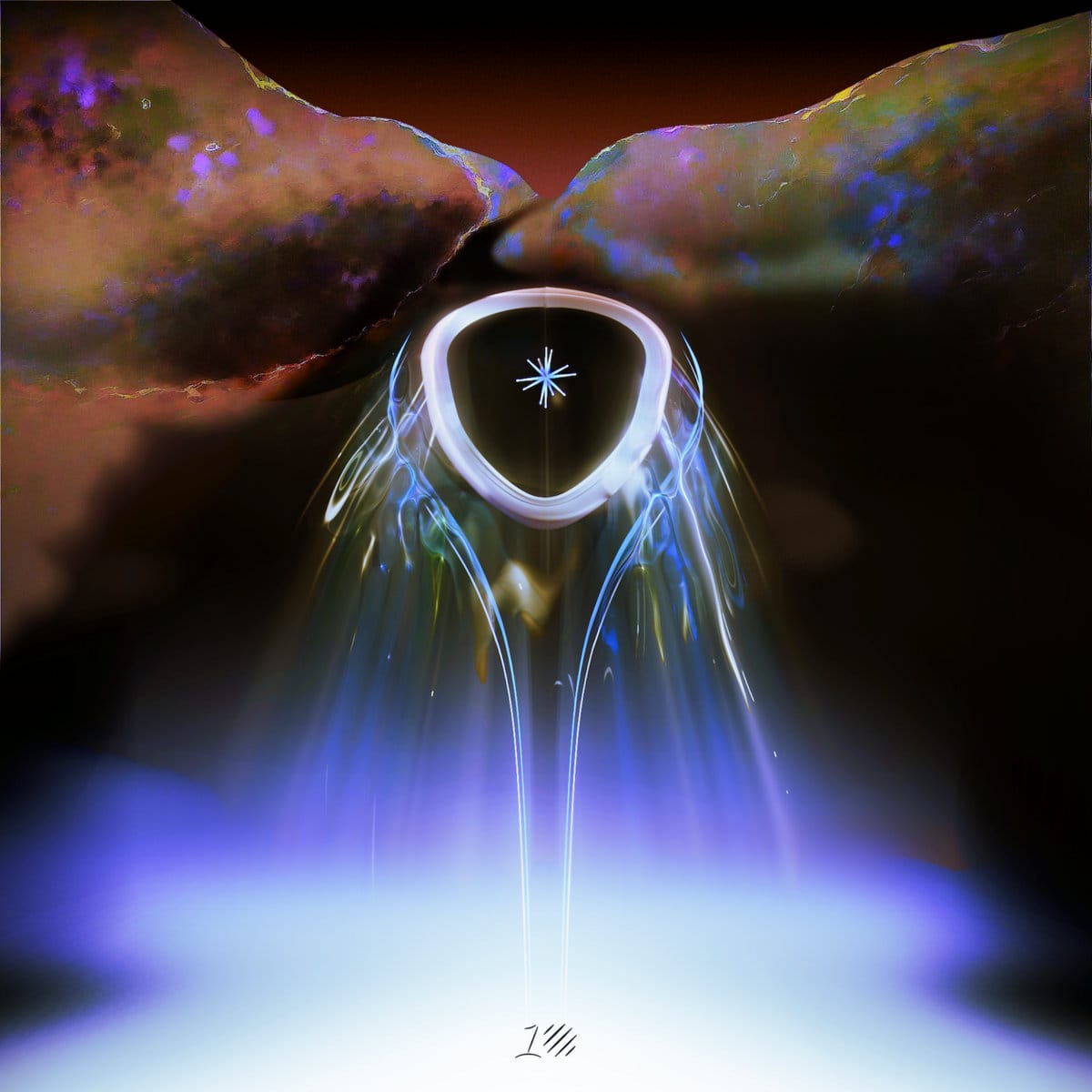
Pattern Gardening on Wisdom Teeth and TD10 on Timedance.
On Pattern Gardening, from London label Wisdom Teeth, 22 artists twist tech-house into wonky, micro-minimal mutations. On TD10, 23 artists run through a dizzying array of "post-everything" styles and sounds, celebrating 10 years of Bristol label Timedance. On It's Elastic, from Berlin label Fever AM, 10 artists push techno into the furthest reaches. And on sub-alchemy, the second release on subglow, the new imprint from Berlin-based DJ CCL, 15 artists practice "low-end sorcery," to borrow a perfectly-put phrase. (Notably, there's substantial crossover, artist-wise, between these compilations.)
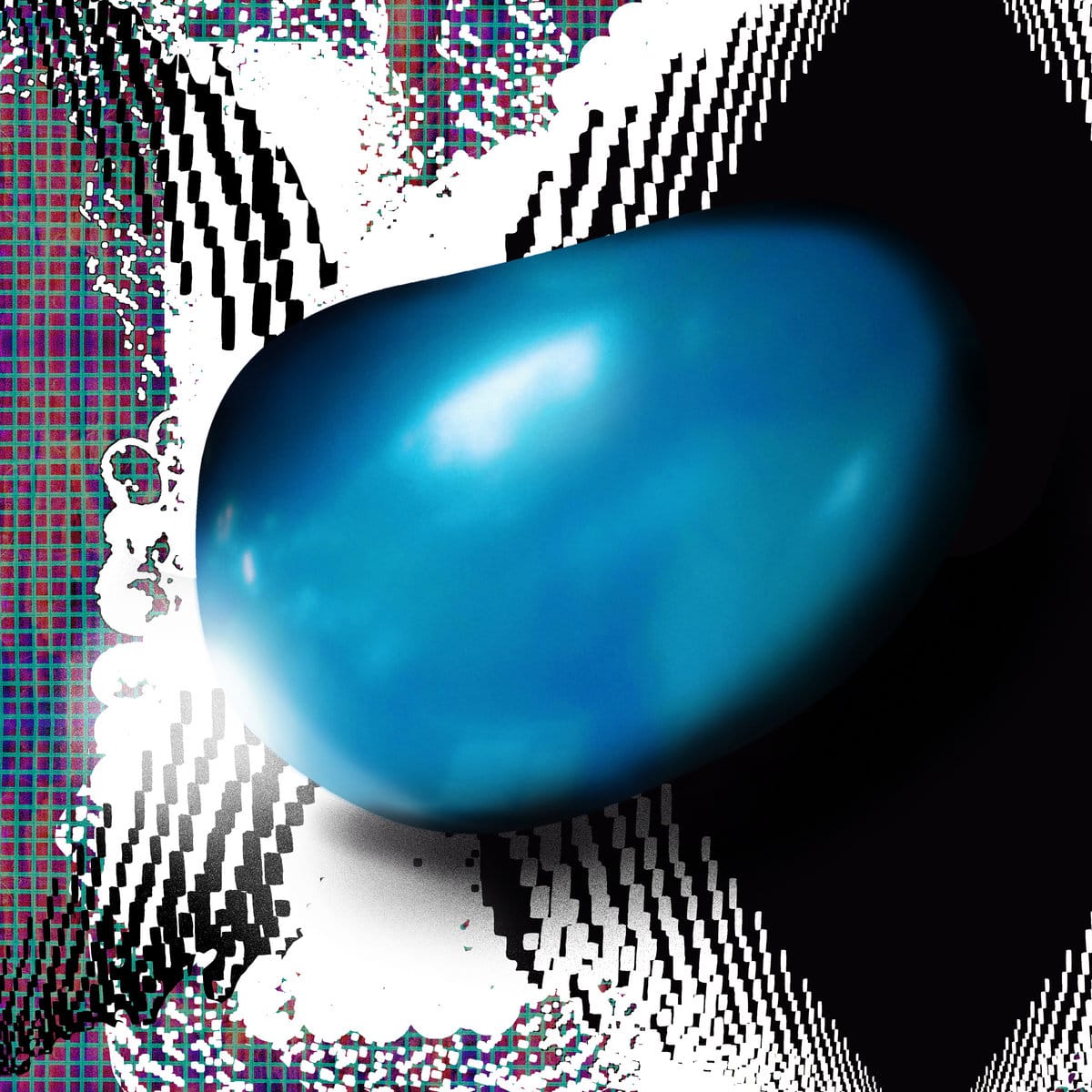
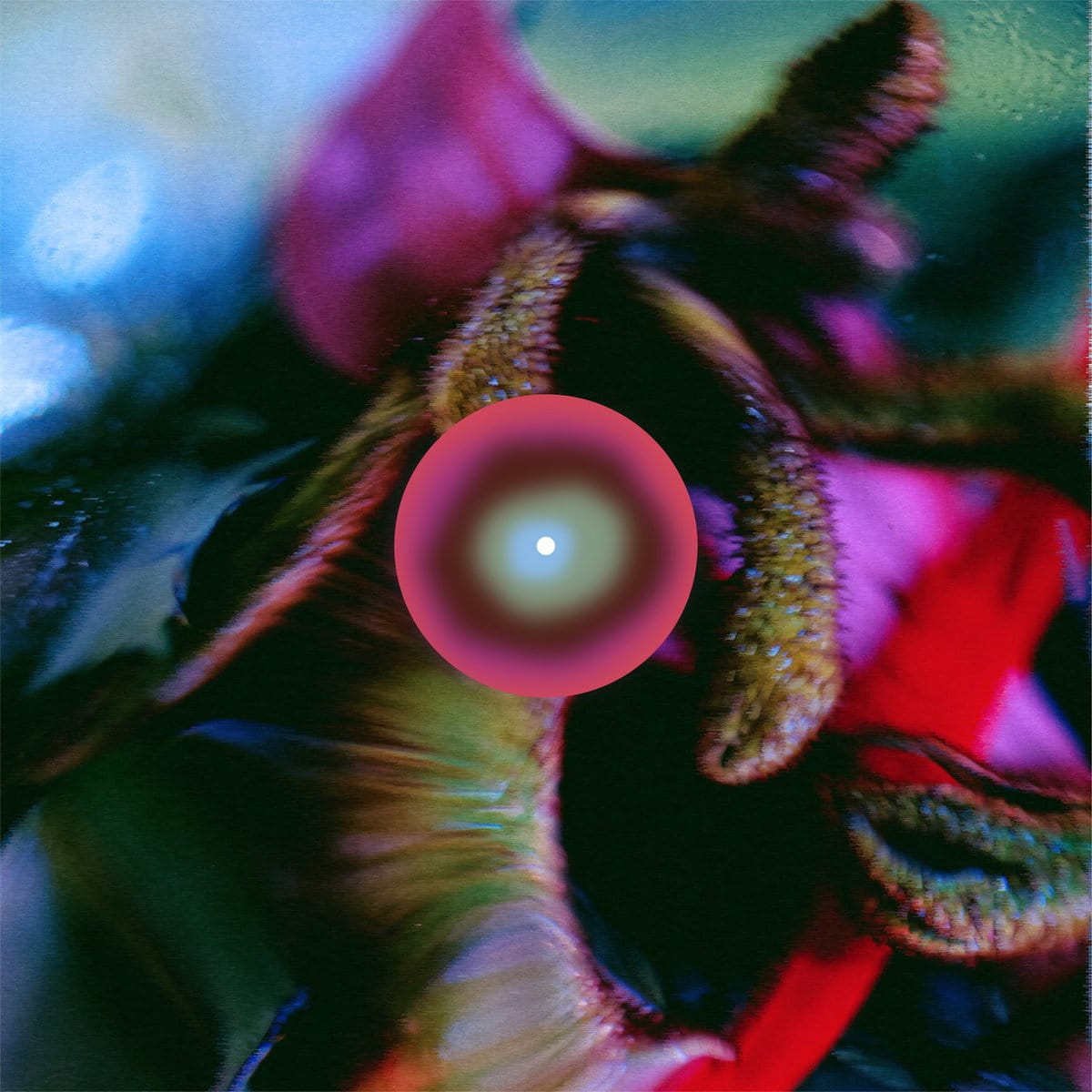
It's Elastic on Fever AM and sub-alchemy on subglow.
"Neo-psy" compilations abounded, too: see Diplopia on Virtual Forest; Spellweaver on Mana Abundance; Signs of Life 001 on Daisy Records. Last but certainly not least, Short Span from Sheffield—my favorite new label of 2025—dropped Short Tracks, 22 tracks of dubby, drifting abstraction, right as the year came to a close.
It's all a bit overwhelming to keep track of, yes. Nonetheless, I suspect this trend will continue apace—keep your eyes (and ears) peeled for new compilations to discover where things are headed into 2026.
My Zoomer Friends On Discord Put Me Onto New Rap & Hip-Hop
At this point, I spend nearly all of my time online—which is to say, almost every waking moment—on Discord. One of the servers I'm most active on is a small, close-knit group, mostly people of color younger than me, some of whom are half my age. Though I (an old, curmudgeonly white man) felt out of place at first, they nonetheless adopted me as their resident oldhead. I have become the chopped unc I wish to see in the world, in parlance of the day.
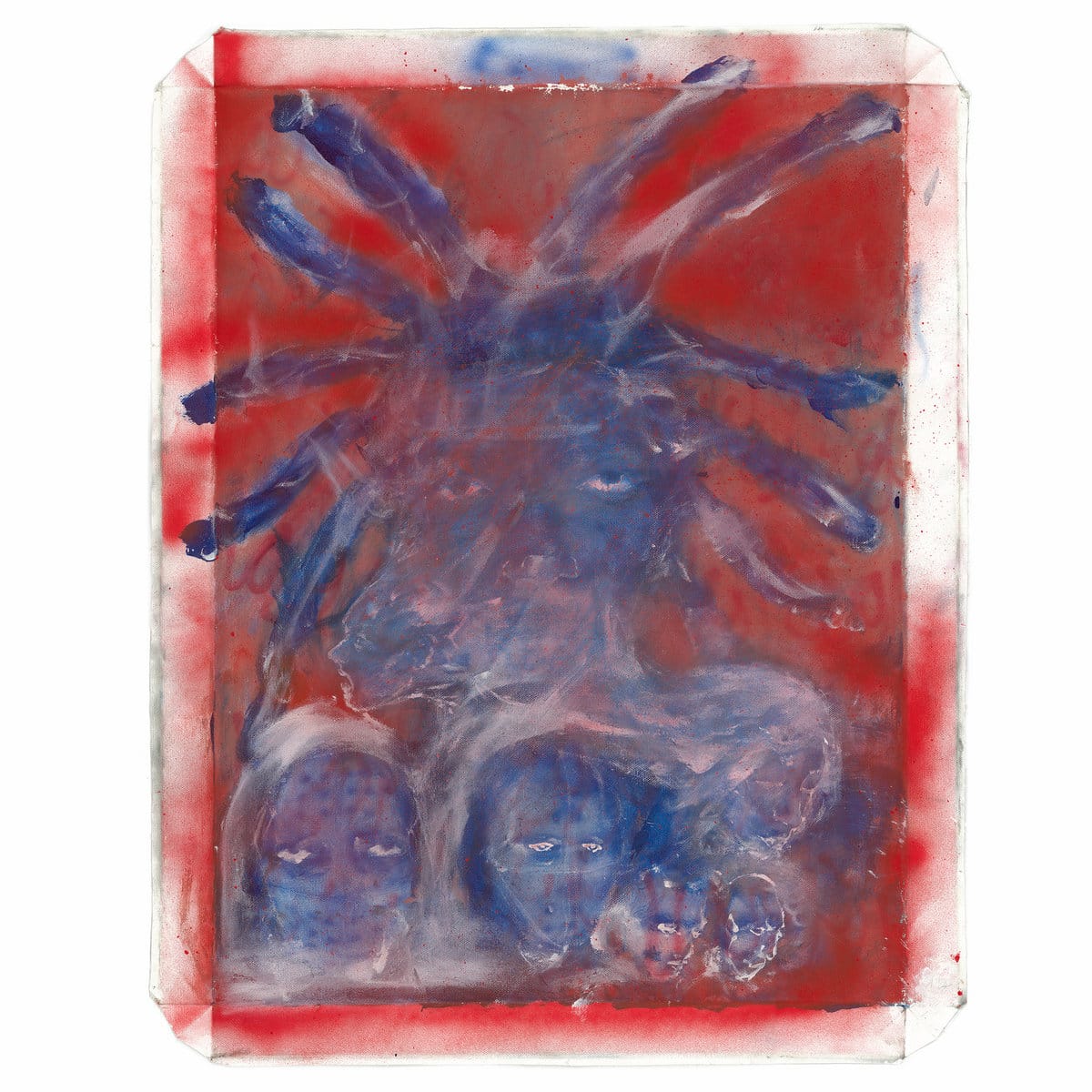
Most folks on the server listen to very new, very online rap and hip-hop. Some fills me with abject lament for the callow, dire state of it all (Nettspend, Bladee), but others make me realize how much rap has changed since my day—and how much I've been missing out on by not paying closer attention. Like Niontay, whose flow, like marbles dropped into a rushing river, felt unapproachable to me at first, until I realized the Brooklyn rapper's minimal, lurching tracks sound, sometimes, like Autechre.
Or Vayda, the hyperfemme Atlanta rapper whose spitfire cadence and cyber-funk production reminds me of rap I grew up with, but fresher and cleaner. Or Babyxsosa, whose deleted-from-Soundcloud track "Hypocrite" (prod. Evilgiane) was easily one of the best tracks I heard in 2025.
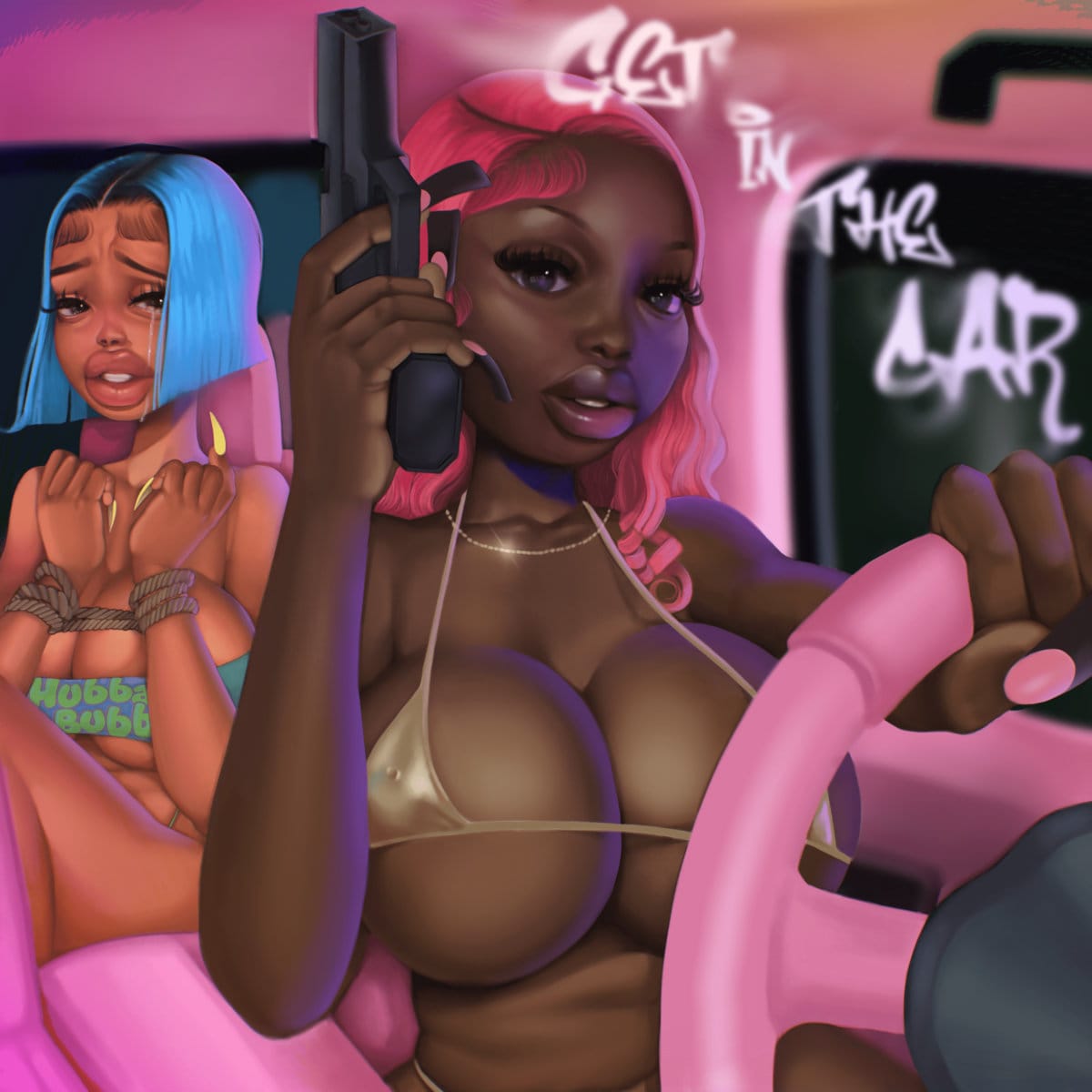
2026 resolution: Listen to more rap.
"Ambient" Takes Center Stage
I didn't put on a single club night in 2025. Instead, I co-founded a new event series called stratus, "dedicated to soundsystem music outside of club spaces," as our tagline says. In other words, a social gathering focused on so-called "ambient" music, particularly the embodied, bass-driven sort.
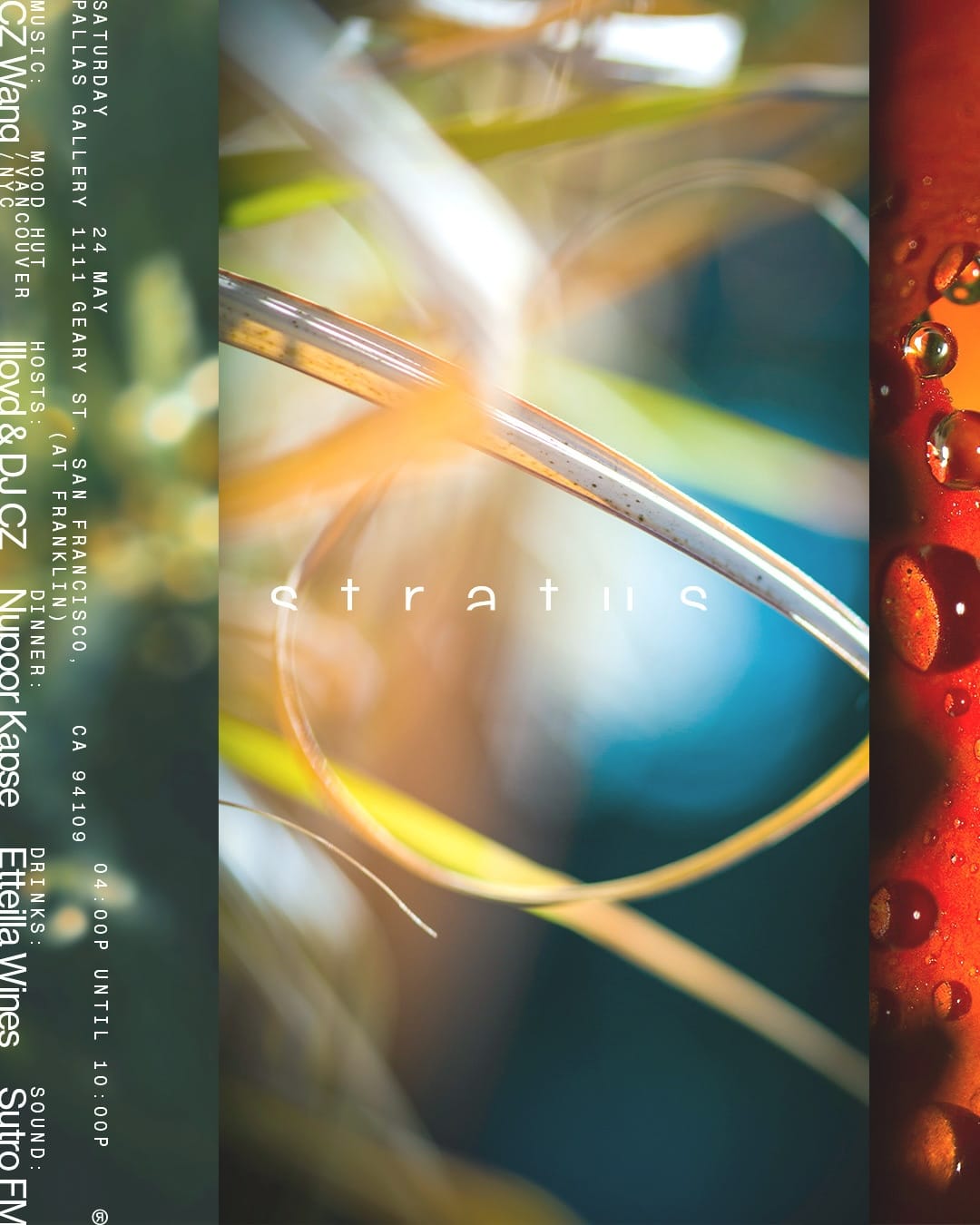
We produced three events last year: two in a cozy art gallery in downtown San Francisco—with guest DJs CZ Wang and Gi Gi, plus food and wine made and served by friends—and one at Gray Area, a Mission District arts-tech nonprofit inside a decommissioned theater—with two live performances, by Purelink and Daria Lourd, aka Bored Lord.
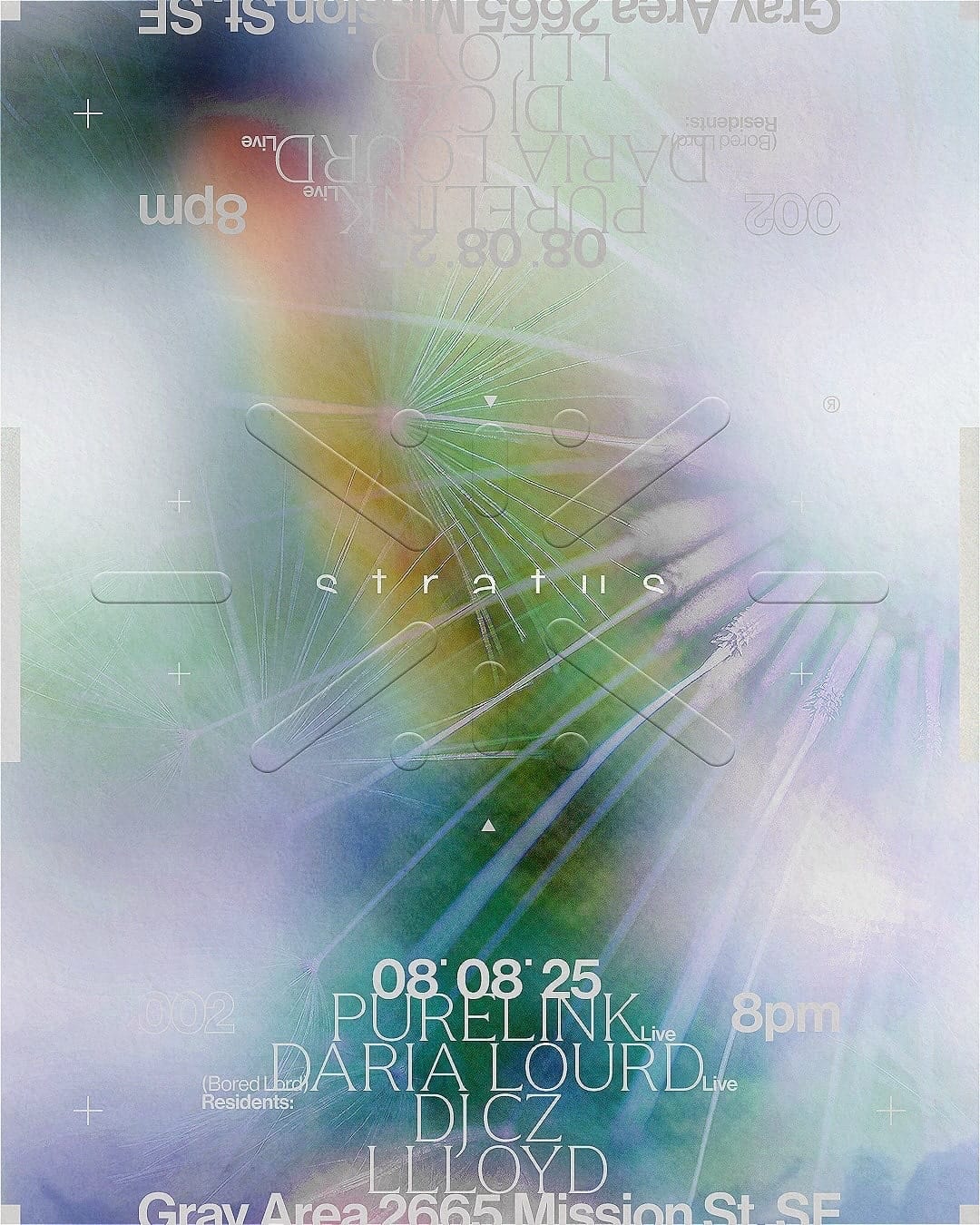
All three were a total success—to a degree that completely surprised me, honestly. It was clear that we had tapped into some kind of zeitgeist: people of all ages and inclinations, not only jaded oldheads like myself, are hungry for interesting electronic music experiences outside of listening to hammer techno in the club til 4 a.m. (Not that there's anything wrong with that.)
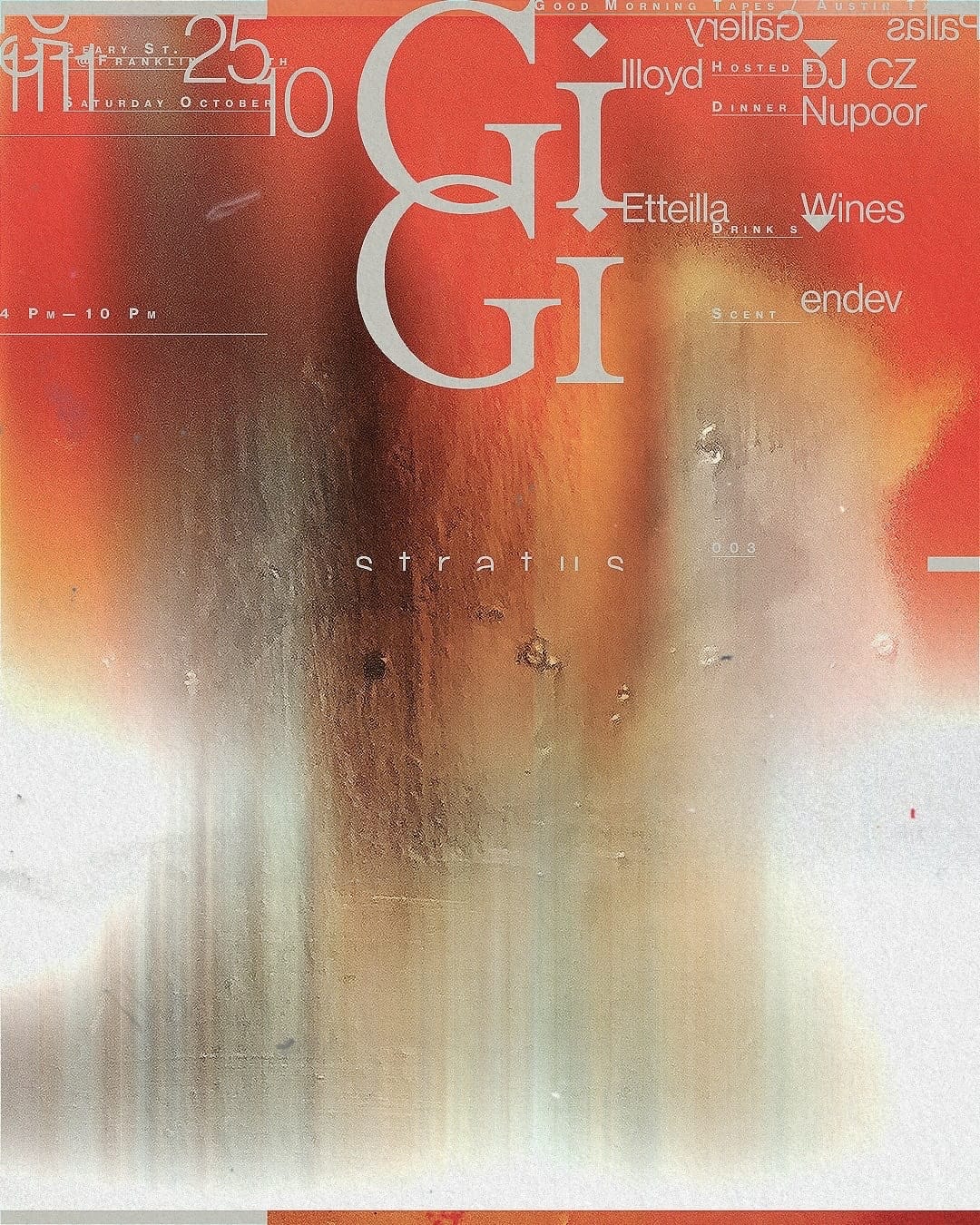
These events are on the rise here in San Francisco; several other DIY organizers are producing similar gatherings. I'm aware of similar functions in Los Angeles, New York City, Melbourne, and Berlin, but I'm sure there's many more besides.
The thinkpiece is already brewing for 2026: "The Chillout Room Becomes The Main Room," etc.
Community Is The Entire Point
In 2025, for reasons big and small, I was reminded, for the nth time, that the reason I dedicate so much time and energy to Participating in Music (capital "P," capital "M") is the community of dear friends I've earned because of it, and the fascinating, talented people I meet as a result.
The music itself—you know, the actual sonic output—is amazing, and, in my own completely subjective, biased, and non-scientific analysis, is maybe even better than ever before, against all possible odds.
But it's the people, and the network, and the relationships I've built, that make it impossible for me to "Quit Music," despite fantasizing semi-regularly about doing so, Brokeback-style.
Lately, I’ve been wondering if the community and the network—the "social graph," to borrow an accursed phrase—is actually the real artform, above and beyond The Music Itself. Much to think about.
Music is a social artform: That might be the Thoughts of a Certain Sound mission statement, for that matter.
In any case, more good music will arrive in 2026, and I plan to write about it. Thanks for reading, as always.