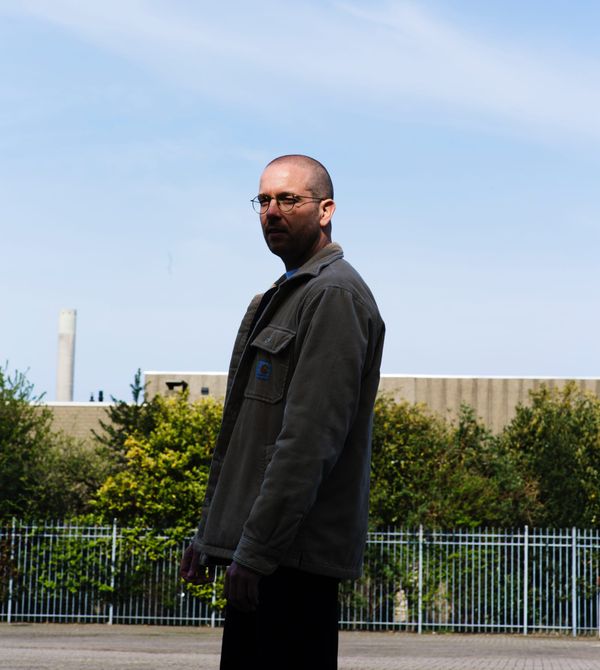
DJ Plead: The sincerity of being
The Australian-Lebanese artist discusses the shape of his new album, out now.
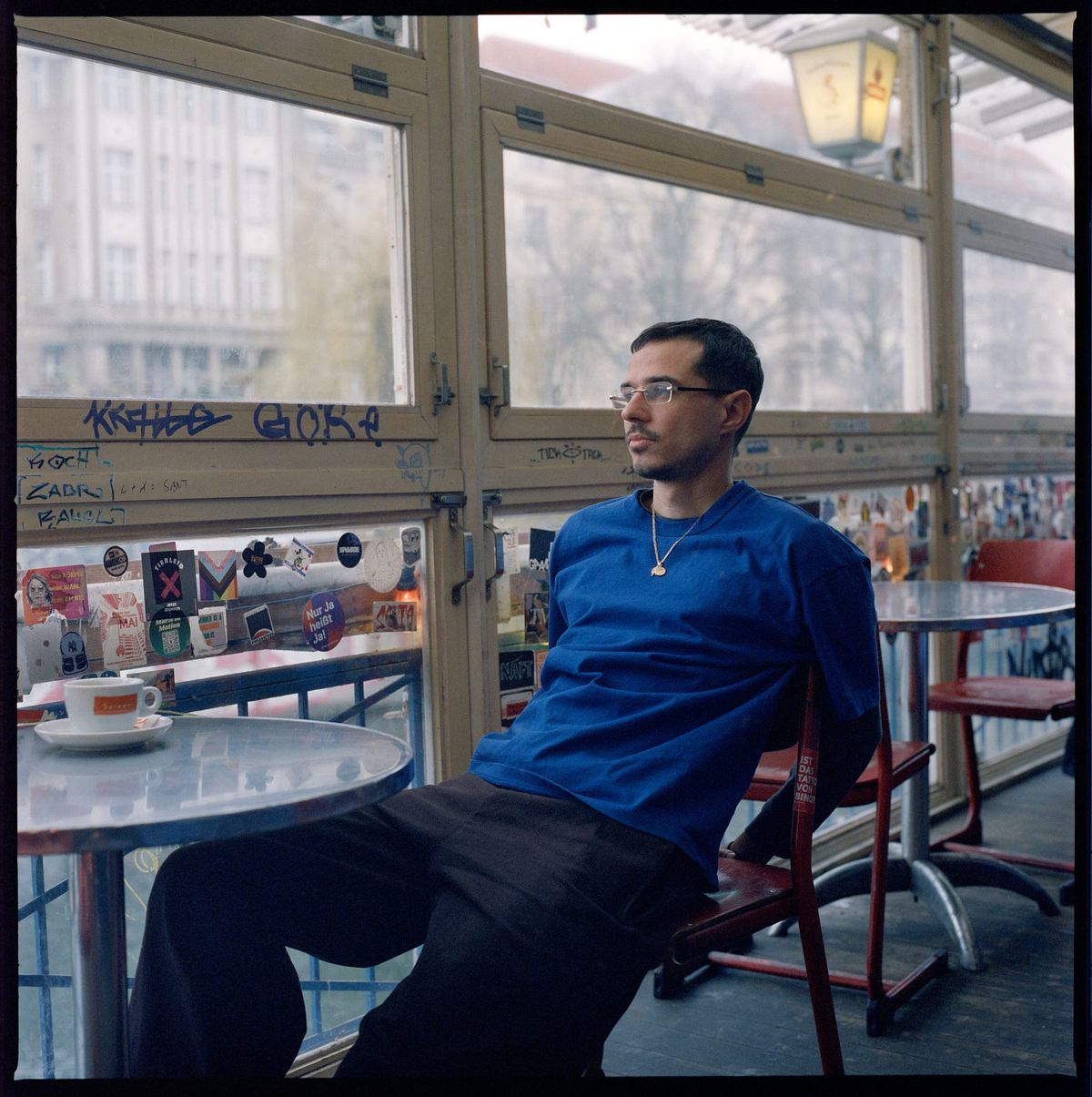

In 2020, Beeler released his first LP, Relentless Trills, a slow, dubbed-out sirocco of a record that demonstrated range far beyond the club. His second LP, Please, was just released on stalwart Norwegian label Smalltown Supersound—and though we're only halfway through the year, it's hard to imagine I'll hear a better album in 2026.
Please operates in similar modes as Relentless Trills—slower, moodier, deeply emotional—but extends outward, incorporating touches of amapiano, American R&B, jazz, and more. It's over in a flash, barely more than a half-hour long, and as soon as it's done, I'm hitting repeat to listen all over again. Relentless Trills proved DJ Plead was about more than turning up dancefloors; Please cements him as a true artist with a sound all his own.
I recently spoke with Beeler, back in Berlin after a series of U.S. gigs, about how Please took shape and the journey he's had to reach this point. Enjoy the read—and please listen to Please!
I wanted to learn guitar when I was a child. [My parents] got me a guitar when I was really young, and I was quite into it for a long time. And then electronic music came about in my late teens, relatively early on. I was just messing around, and it took a while [until I took electronic music production seriously]. I started with Fruity Loops. You know, classic Fruity Loops, on a desktop computer.
So I guess I've always been a little bit involved in music, but—it's classic "me," in a sense, but I never was thinking about it as something that I would make part of my identity.
I was always a bit on the back foot, or at least I put myself there. I was in this band before, in high school. It was me and a couple of friends. We'd jam together in the music room and play improv, like loose scales. That's what I would do on the guitar. Which is interesting, because recently, my friend sent me a recording that we'd done [of the band]—I guess it's about 20 years old.
And I was listening to what I was doing on the guitar, and I could tell that I had the same melodic sensibilities back then. I'm almost playing the same licks now, on the keyboard, on this [new] record. It was interesting to see. So I've always been in that zone—these melodic little riffs, that I would mess around with. But I forgot about that until recently.
And then later, I was in a band with Marcus Whale and Lavurn. Lavurn is Cassius Select—we were mostly a live act. It was loud dance music with vocals, like Lavurn and Marcus would do vocals, and I would be DJing, or performing live, with a Native Instruments Maschine.
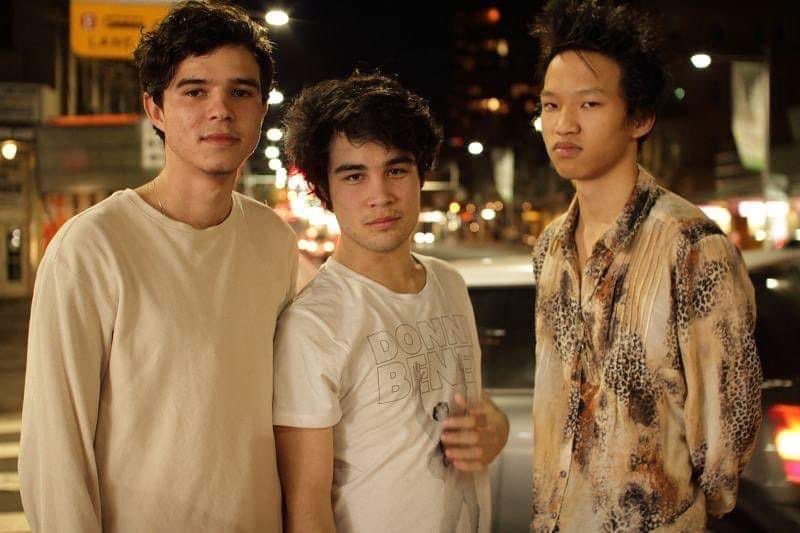
I really enjoyed that. It was a little bit dance-punk, a little bit vogue-y sometimes. We'd play a lot of queer parties, and so it was a bit queer and a bit loud, and funny, at times. It was camp—it was campy, definitely.
We'd all produce together, but I always felt like—it was never really part of my identity, because I always felt in the shadow of Marcus and Lavurn, who are both really talented and proper musicians, whereas I was this kind of character, very self-conscious, and not really confident in anything I was doing. [laughing]
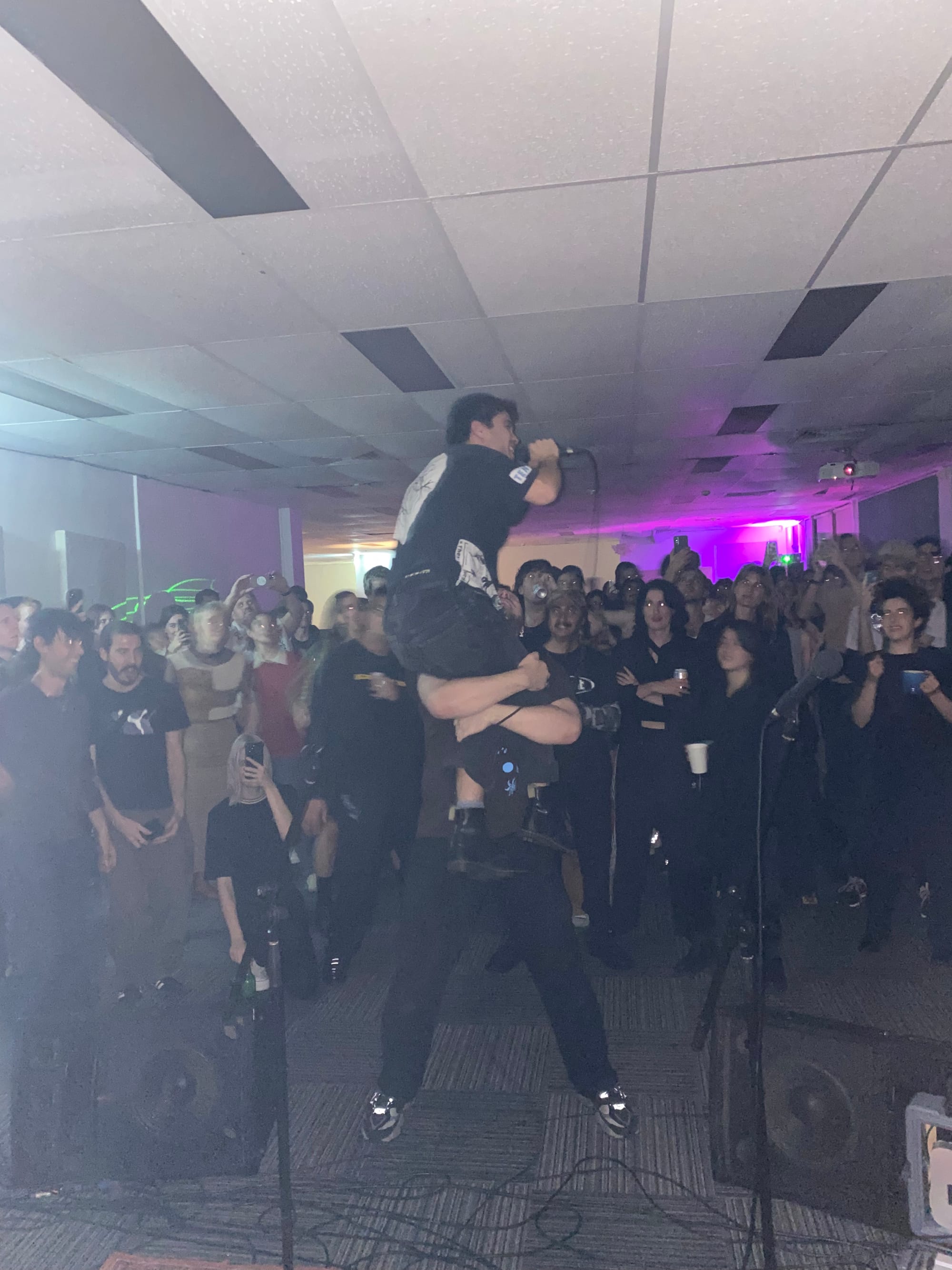
We started that in 2010 and it's still ongoing. Sometimes we'll all be in [the same] country, and we might play a show.
[DJ Plead] came from that band that we were in. I started making beats that were kind of Arab-inspired, and I was making a lot of stuff like that—and it had this distinct sound within the group. And then I was like, Maybe I'll just do this myself.
I've always been curious about what kind of sound I would like to make, but I never wanted to be in anybody else's space, or compete in any kind of realm with anyone, because I always had this vision of myself as being sort of not as good as everybody else—or at least not as good as Marcus, which I still think is true.
So I think DJ Plead was me trying to express myself. Something that was purely for me, where I felt some kind of distinction, or some kind of difference.