Visible Cloaks: Pushing beyond representation
Live performance, audio-visual hyperrealism, and video game sound design.
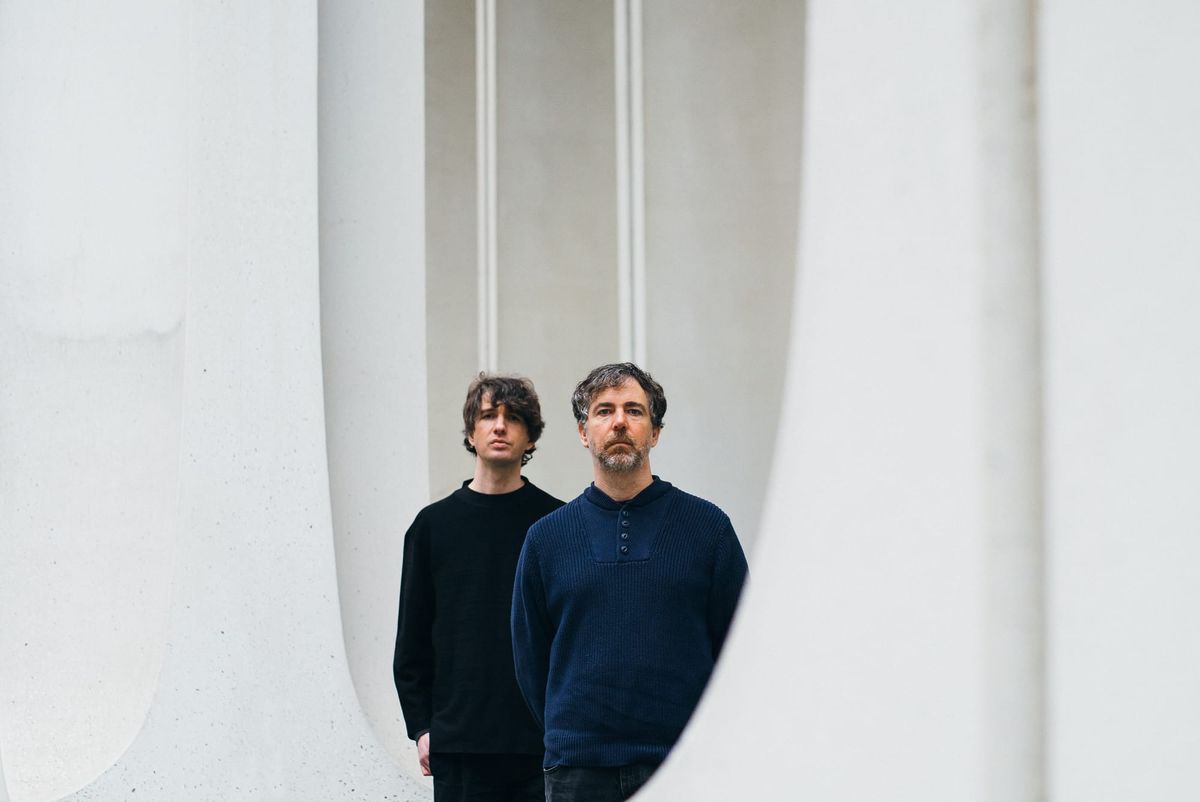

Their new album, Paradessence, released this year by New York City label RVNG Intl., is a 42-minute journey through hyperreal sound-realms that, despite their alterity, feel intimately familiar: aural reflections in mirrors that aren't really there.
Recently, I caught the duo performing live in San Francisco at Gray Area, complete with quadraphonic speaker array and immersive visual accompaniment. The show was beautifully transportive, a trip through space and time.
Soon after the show, I caught up with Spencer Doran—who founded Visible Cloaks as a solo project in 2010 until he was joined by Ryan Carlile in 2014—to chat through their recent live shows, the remarkable photogrammetric processes behind their visuals, and the uncertain tonality that makes their music so otherworldly.
We also discussed Doran's soundtrack for Season, a 2023 video game about field recording, and the challenges and opportunities unique to composing for video games. I love games almost as much as I love music, and so I jumped at the chance to tie these interests together.
If you haven't already listened, Paradessence makes the perfect musical accompaniment to this interview. Read, listen, and enjoy!
Spencer Doran
[Our recent tour] was a small North America kind of thing. Mexico City, San Francisco, L.A., and New York. We did some shows with Reflections, right when Paradessence had gotten announced. That was the first time we had played in a couple years.
So we kind of rebuilt our live set. We had a very gradually evolving version of our live show that started around Reassemblage, and then we just kind of continued [with that setup], and it very slowly morphed into something a bit different.
And then after not playing for a couple of years, we started over from scratch—not playing any of the older material, and test-running a bunch of our new pieces in quadraphonic sound.
We customized each set around the different speaker arrays that were going to be in each venue. Very intentionally, we took pieces from the [new] album and [from other releases], and rearranged them for the quadraphonic setup.
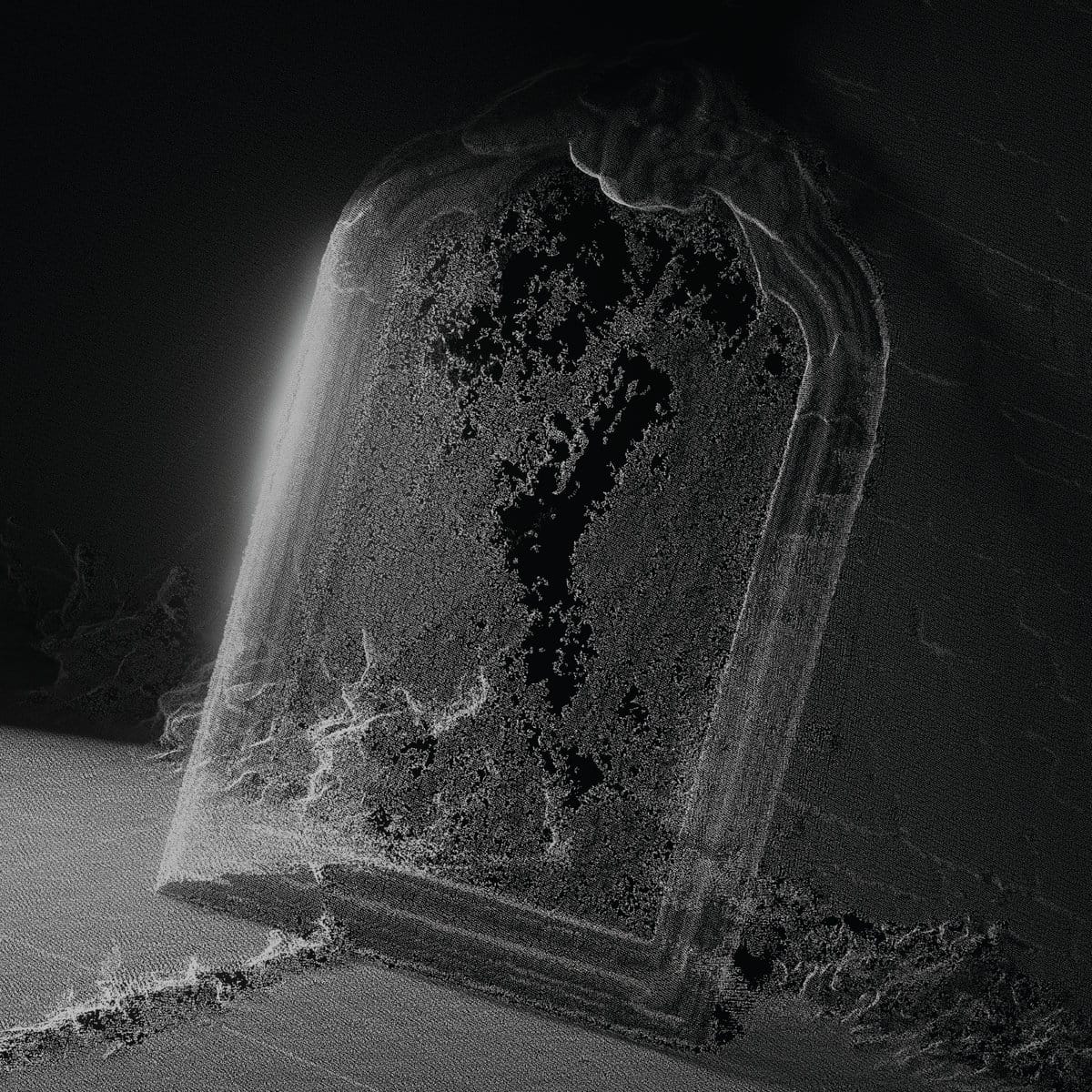
A lot of the pieces [we played on this recent tour] are older, and we've been working on them for a while. Well, I should say, we started [writing these songs during] this workshop that we taught with this locational residency called Camp, in the Pyrenees Mountains in France.
In combination with that residency, which was about our artistic process, and also these irregular ways of doing field recordings, we then played this show in London, immediately off the back of [the residency], in a spherical 32-channel sound array place called IKLECTIC.
This was back in 2023.
So, [back then,] we hadn't played [live] in a bit, and having this chance to play at this spherical array, we were like, Oh, we need to pull together a lot of these in-progress songs, and make it more of a [cohesive] set. And when I look back—I actually found one of my old notebooks, with our set list from that show—it [included] a lot of the songs that ended up on this [new] record. A lot of them actually started out in this sort of spherical venue, using ambisonics, to decode things to any sort of speaker array.
We've been [performing in quadraphonic for] almost 10 years now. We've done different kinds of speaker array setups, but quad is the easiest to quickly rearrange things in, especially using Ableton Live. It's not really the best-performing software for doing multi-channel, which is kind of odd. You have to do a lot of funny little tricks to make it work.
But when we did the sets with Reflections in February, which were Portland and Seattle—we were like, Can we do quadraphonic for these shows? And they were like, Sure. We'll just rent two extra speakers.
And that's how we started doing that specific arrangement. And then now, we've done that in a few different cities. We have it as an option in our rider, for our booking agent, depending on venue specs.
[When we're performing live, it's] all through the computer. Entirely software. Ryan [Carlile, the other member of Visible Cloaks] has a MIDI wind controller that he's sending MIDI information on. I usually backline a MIDI keyboard. Sometimes, depending on the show, I'll bring my big MIDI mallet controller, which I play pitch percussion on, but for the most part, it's just controlling virtual instruments in the DAW.
The way that we ran the visuals—this is something we're actively working on trying to improve. Ryan's actually triggering the videos with his saxophone.
He set up a MIDI program change where we have a Resolume session—it's a kind of visual DJing software. We have versions of the pieces that either loop, if the song is not fixed in time, or they're cut to the exact length of the piece, and the second that the song starts, he'll trigger the video on the wind controller.
Usually, they line up pretty well. Sometimes it can be a little bit off, but this is how we've done it for a while.
[We've envisioned] a bigger-scope version of our live set, [where we] integrate some sort of game engine software, where we're actually sending information via MIDI—and then either the spectral properties of the songs, or the actual individual notes, would control different perspective changes [in the visuals]. But you have to have a dedicated second computer just for that, and we like to keep things a little more lean, more error-proof.
[The visuals for these recent shows weren't rendered on the fly.] They're pre-made.
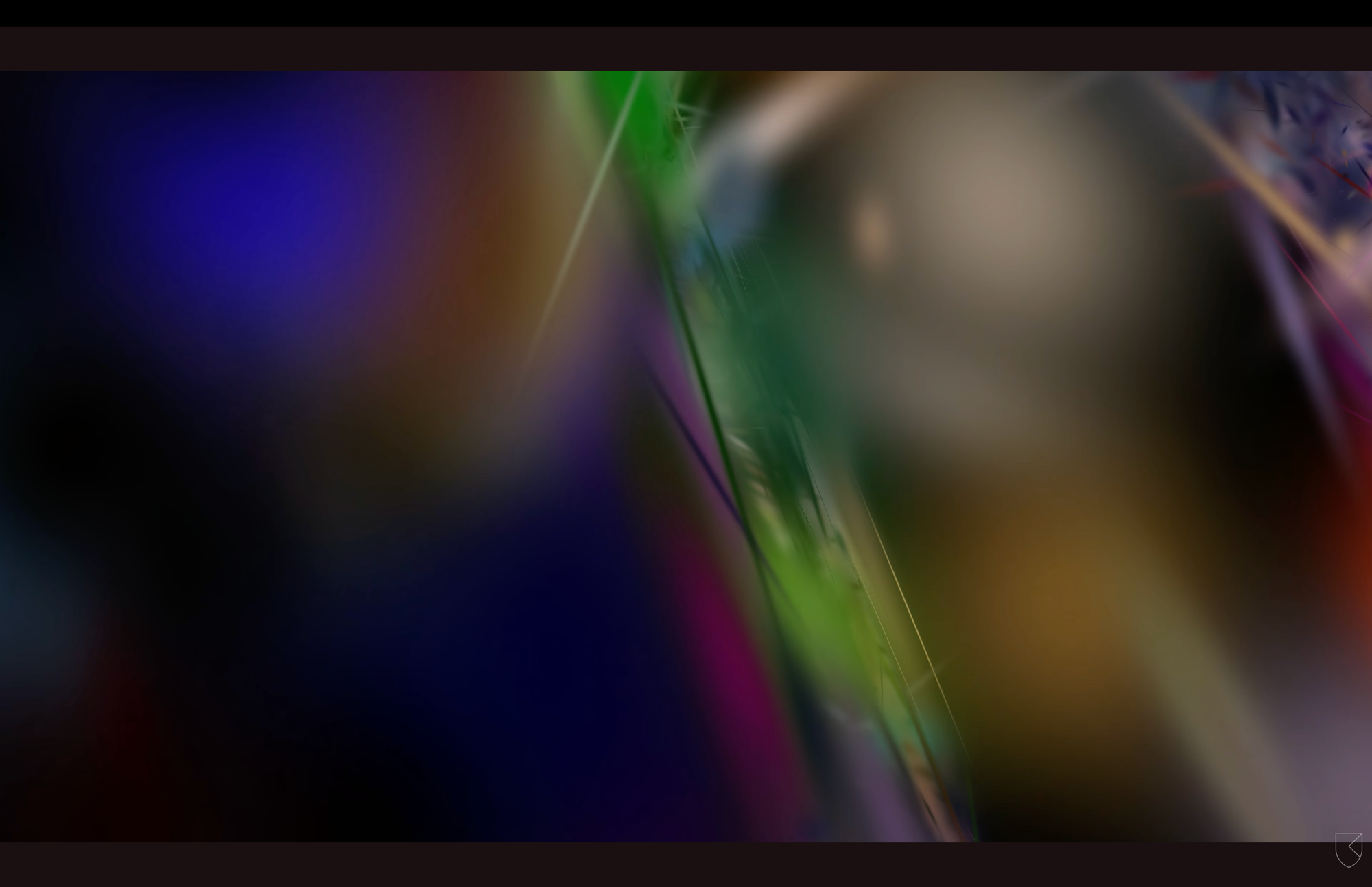
Almost all of [the videos that form the basis of our live visuals, which are also music videos for Paradessence] use different kinds of 3D scanning technology, like Gaussian splats, which are the close-up, "microscopic" [visuals], or point clouds, which are the more spatial, whole environment [visuals.] Those are all videos that we worked on for the album cycle with this British artist, Grade Eterna, who does photogrammetry professionally, but then also does it in an artistic context, as well.
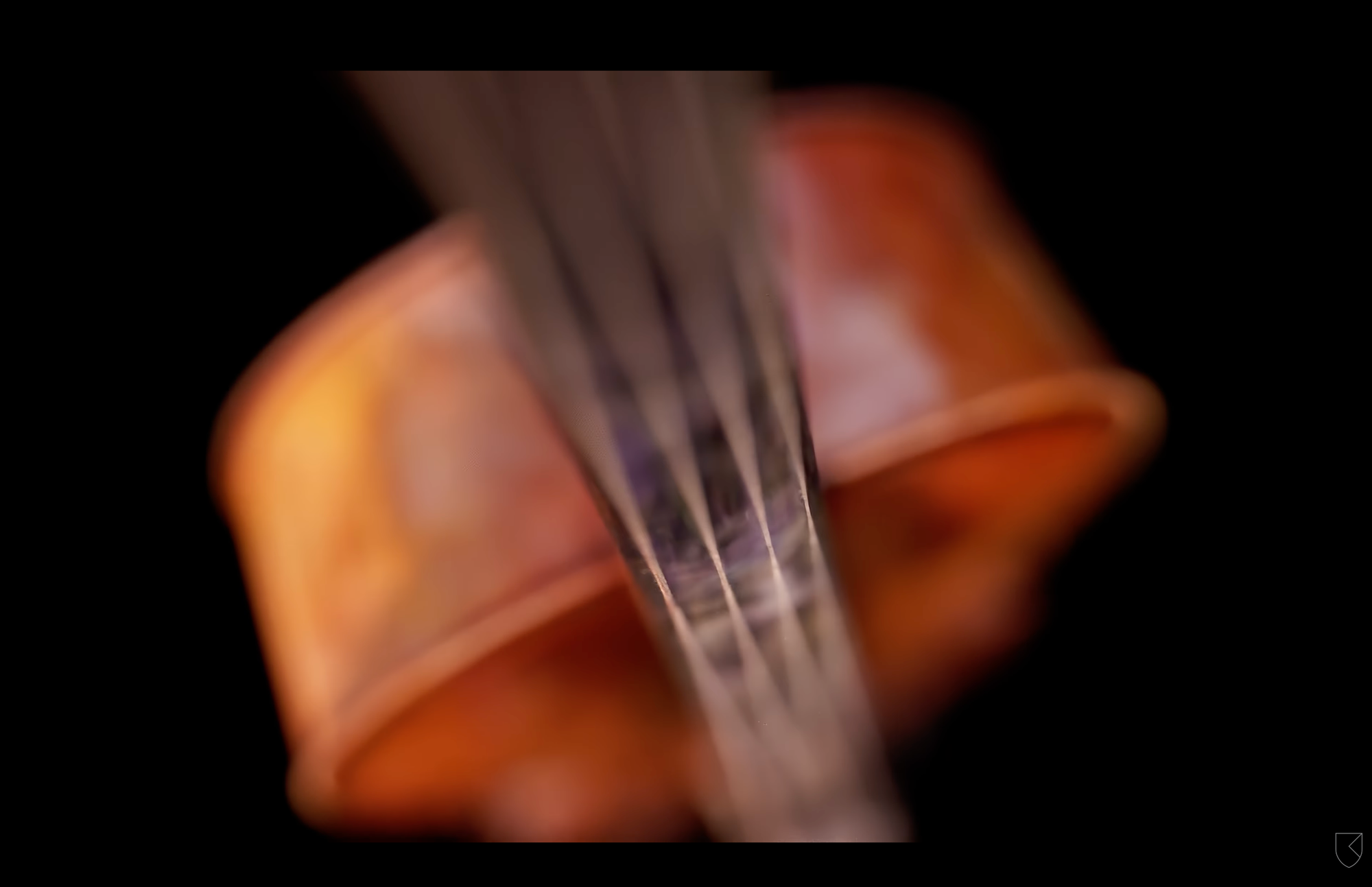
A lot of those are either 3D scans that he made, or there's some that I worked on. There's one where he did a 3D scan of a cello, and there's a video where he shot some of his own perspectives, and then he gave me the actual file, like the actual scan itself.
Interestingly, this software called SuperSplat, you can import Gaussian splats into [this software] and then manipulate them. Like, there's really basic camera positioning stuff you can do.
So I either took his scans, in the case of the cello, or there's a few that were like open source Creative Commons licensed things—like a blueberry and a raspberry, [and I manipulated those myself].
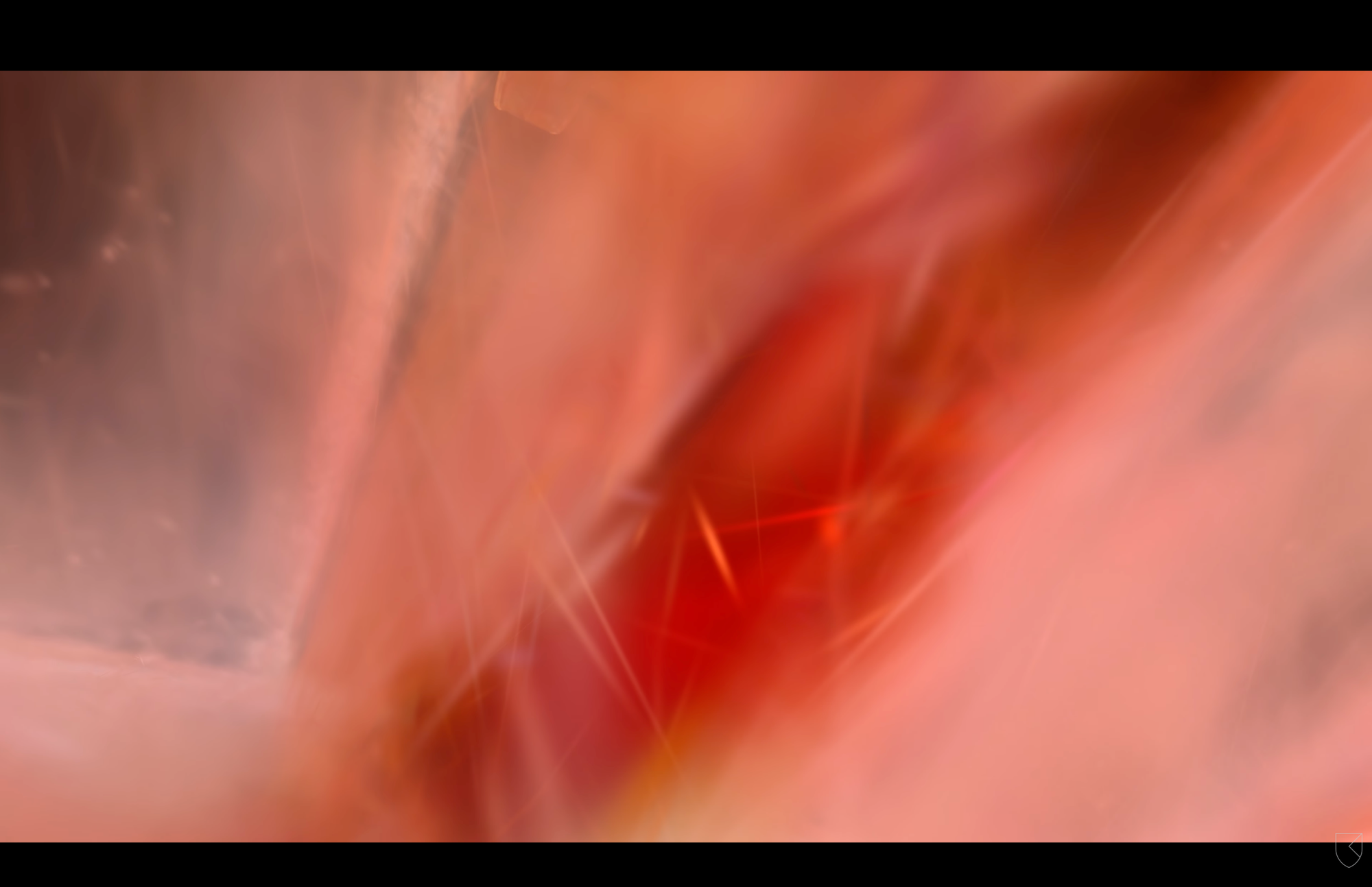
It's this idea of taking this technology, and going beyond the traditional way it's supposed to be used—to represent something—and sort of pushing into the places where it doesn't capture something that feels real. Like when you have a 3D scan of something, and you go inside of the object itself, the software tries to figure out what the internal aspects of that thing is—but obviously, it hasn't seen inside of the object, right? But you get these really beautiful, very abstracted, painterly kinds of spaces inside.
So a lot of times, [the visuals involved] going inside [one of these 3D scanned objects], starting from this completely abstract space, and then pulling outward to reveal that it's an actual thing.
[British artist] Grade Eterna cut all the camera paths and perspectives. There's one that's like a garden allotment, [maybe] in London. I can't remember what the actual location was, but it's like an aerial view, where you see a lot of the foliage.
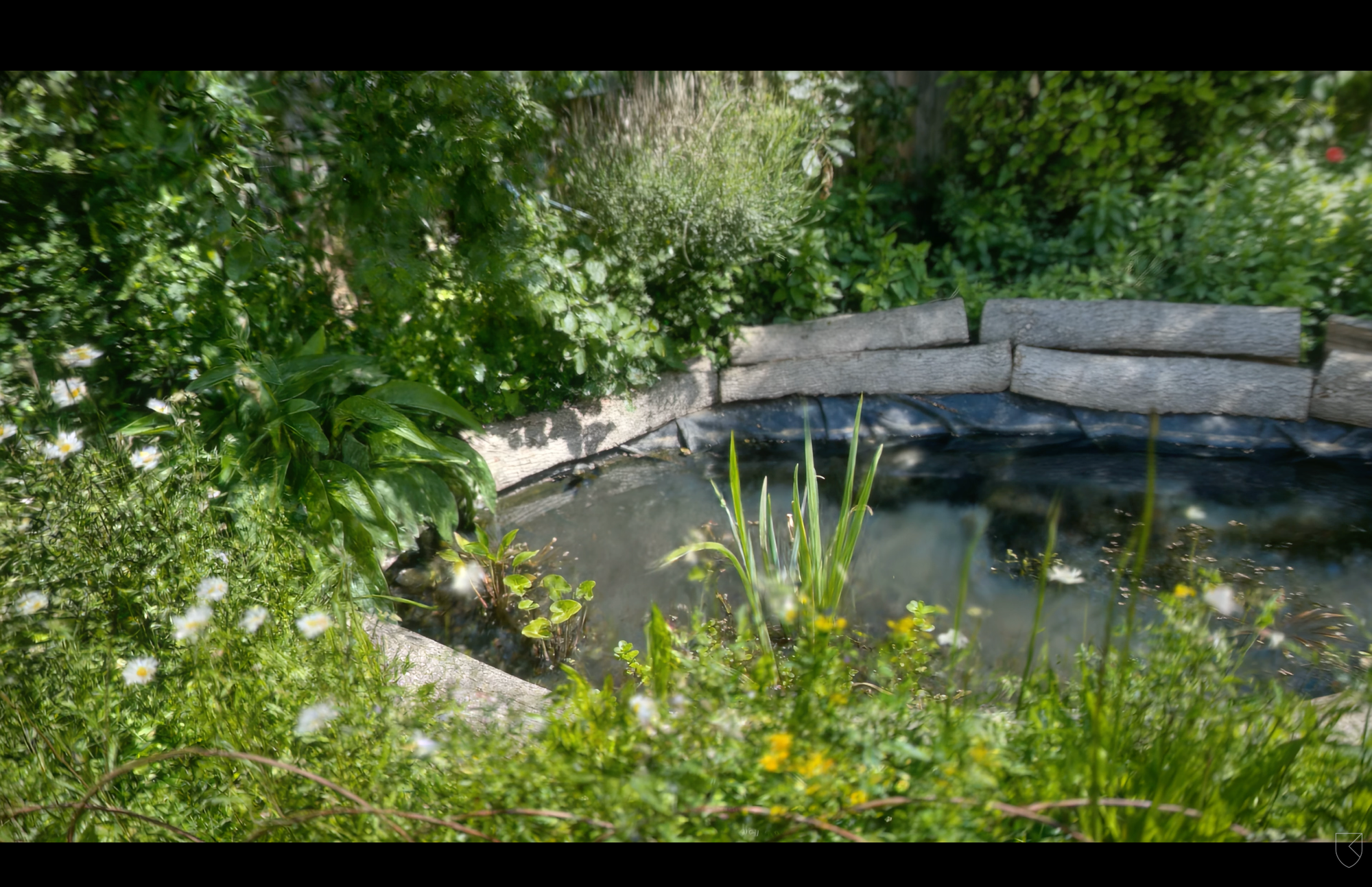
But it's interesting because this technology has advanced at such a rapid rate, that from when we started working on this stuff with him—which was in 2023 or so—fundamentally, those [older] videos are so completely different from the videos [we're working on now]. The edge of this software technology is, I think, going to become a bigger thing soon, because it's [becoming] so photorealistic that it's almost like taking photographs that you can then manipulate [and explore in 3D space].
There are obviously a lot of VR applications [for this technology], which I'm less interested in. I'm more into the way that it can be used as this form of photography, or [something] between photography and cinema.
Which I think has a lot to do with the incredible artistic potential that this "post-photography" kind of process has—the ability to create these really abstract spaces out of something that [is otherwise] very representational. Especially [during the start of our live sets], we always run this really abstract [visual] for a bit, and let the room kind of get quiet, and then when we get on stage, we turn it all on.
It's inspired, in part, by this guy Thomas Wilfred. He was an early 1900s light artist that did these really slow-moving [works using light]. It kind of exists in the world of experimental cinema, but he was using light manipulation.
I got really into this early 20th century era of abstraction, and all the possibilities with art that were happening around [that time]. And so we're trying to recreate some of the same kind of essence, but using contemporary software.