Knekelhuis: 10 years between the lines
The Amsterdam record label celebrates a decade-plus of beautifully unclassifiable left-field sound.

In its early days, the Dutch label was known for rough-edged club material, dance-forward EPs rooted in punk and industrial tradition. In the intervening decade, the label's focus has shifted toward mysterious, enigmatic, and even stunningly catchy full-length albums—including pop music for weirdos, cinematic soundscapes, and spectral, diaphanous R&B.
Despite the label's breadth of sounds, there is an omnipresent commonality, a shared sensibility, that binds them together. This diffuse-but-mutual approach is fundamental to my conception of New Industrial music—reflected in Knekelhuis co-founder Mark Knekelhuis's own words: "I think the core [of the label,] really, is industrial music ... Industrial music, just like punk music, can be an attitude."
Ten years on, Knekelhuis has fully earned its reputation as a destination for compelling left-field sounds. I caught up with Mark to discuss his roots, the bond between punk and club music, and the present (and future) of his fascinating record label. A selection of my favorite Knekelhuis records are interspersed. Read, listen, and enjoy!
[Before the label started, around 2010,] I was part of a group, a collective of friends, that was throwing parties in Amsterdam. We [focused on] a certain sound—I think it was the sound of more edgy music that combined [different genres together]. Less conventional, less strictly house or techno, more new wave, post-punk, these kinds of sounds together on the dancefloor with a dark aesthetic.
We combined all these things, [and in our first few years,] we hosted Innergaze, with Aurora Halal and Steve Summers [aka Jason Letkiewicz], and Veronica Vasicka, Traxx, and Rude 66, but also bands like Deafheaven and Chelsea Wolfe, bigger names.
[Bands and DJs together,] like one big mix. We wanted to host something that was eclectic and would also bring rock audiences in touch with more [dancefloor-oriented sounds,] you know.
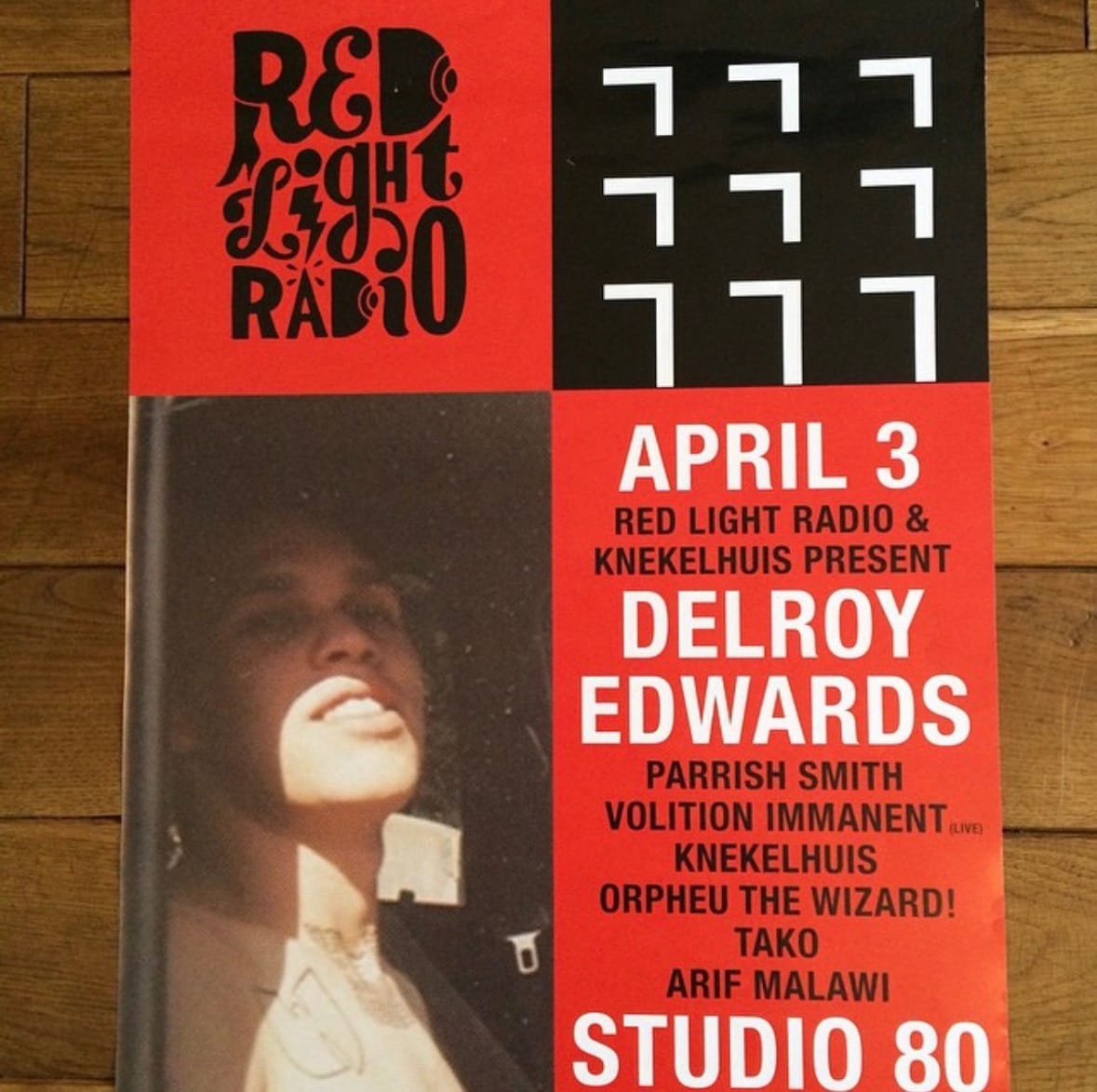
That was our idea, and [around the same time], Red Light Radio was very important for Amsterdam, because they managed to [commingle audiences and crowds] properly.
We had experienced so many shows where crowds felt so segregated—[after the band performed,] you would have an empty room and techno heads would come later. But Red Light Radio, they managed to [combine crowds,] and I think they did it really well.
We put our events on for several years. Some nights were amazing, and some really didn't work out.
At some point, around 2012, we started thinking about the idea [of launching a label]. We all had been collecting records for years, and [we had the] feeling to contribute something new into the world, and to make it challenging, and to figure out—not just how to run a label, but how to start releasing music in physical formats, [to make it tangible].
[So Knekelhuis really started] out of pure enthusiasm. We just wanted to figure out [how to put music out into the world,] and we had no master plan.
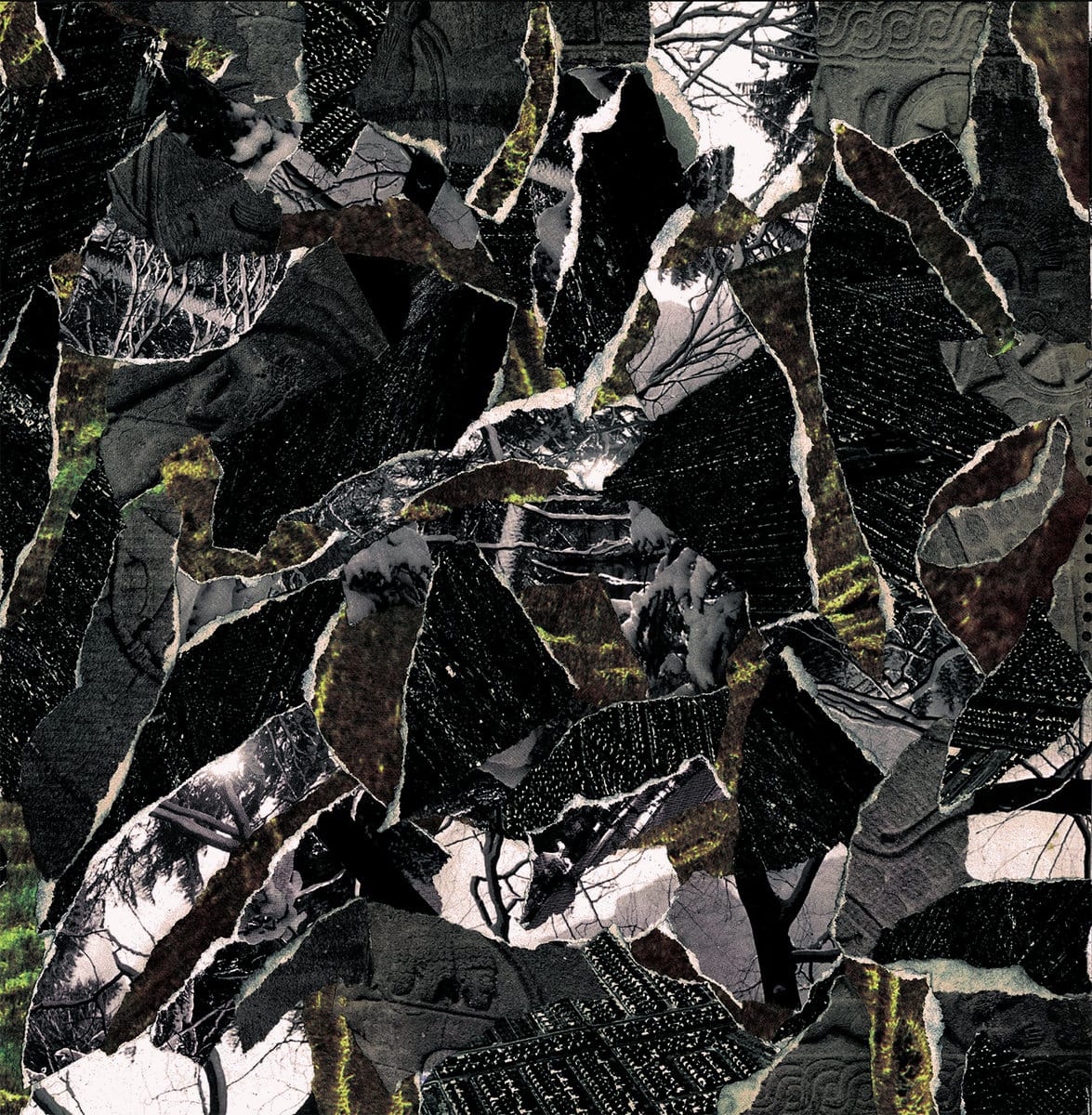
[Our first release] was Pagan Sector, a project by Legowelt and Cliff Lothar. That was the first record, and then [right after that,] we lost so much money on an Amsterdam Dance Event gig, a night featuring our sound. We lost thousands and thousands of euros.
We had no money, and we thought, Is this gonna work? And of course, there's so many factors why something works or doesn't work, but we felt a bit defeated. Since we were kind of broke and producing a cassette release is relatively cheap, we did a cassette tape [a compilation], and we gathered enough money from that release to do the Parrish Smith record, and then the Ambassade record. [That, to me, feels like] the real start of the label.
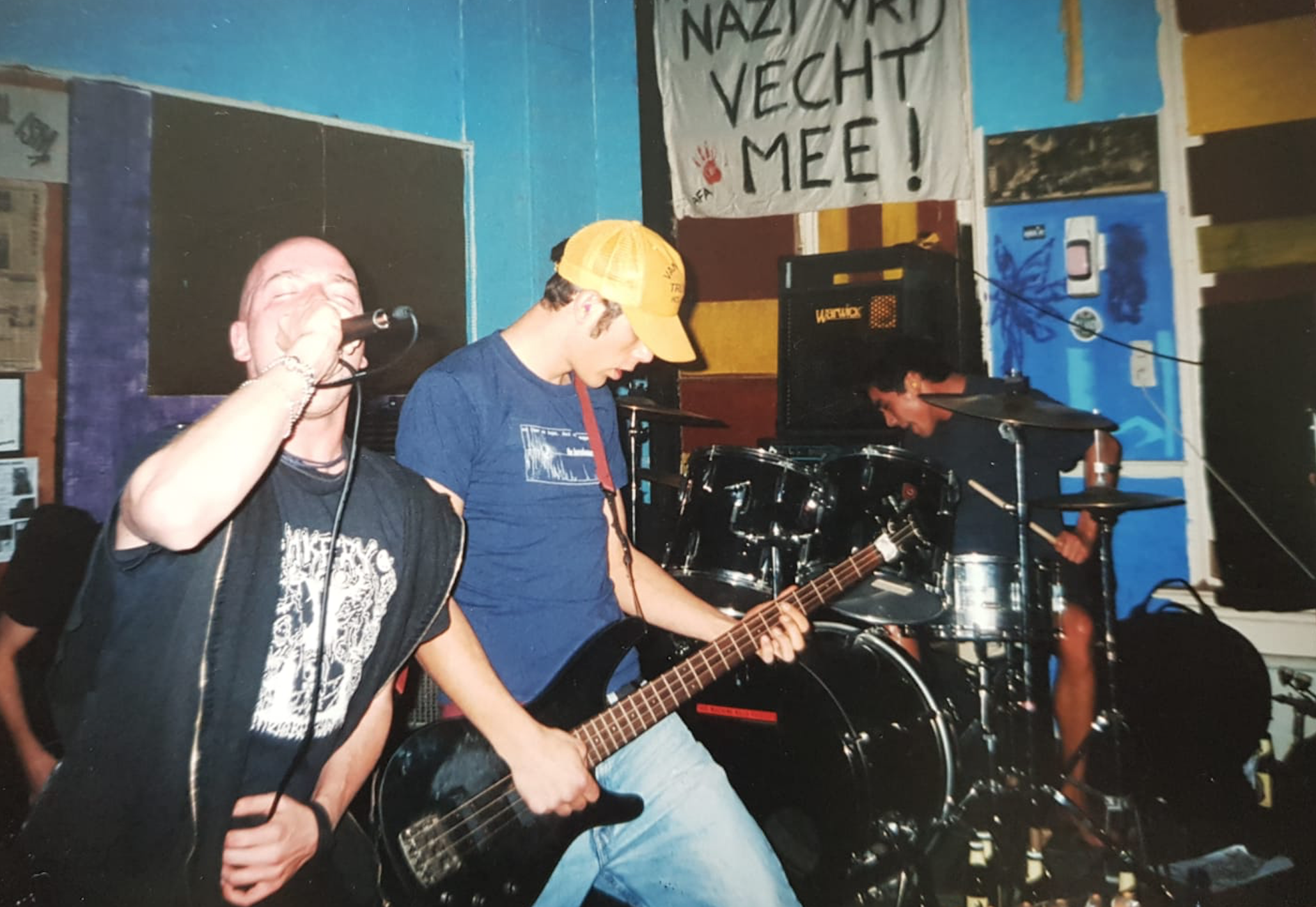
I don't consider myself a real musician, to be honest. I'm not a trained musician, I never learned to play guitar, drums or whatever instrument. Where I started [in music] was—I love punk rock, and I bumped into some people in the small village where I [grew up], called Rijssen, and one of them was wearing a band shirt, Gehenna.
They're actually from San Diego, I think. Very nihilistic punk, and this was before the internet days, and I thought, How is it possible that other people know this crazy band, get their releases on tape, and I bump into them in a library in our little countryside town?
Well, those mixtapes were circulating in our area, and so, that's how I found my people with a mutual interest. They asked me to sing in their band when their old singer dropped out, so I stepped in. I was good at it, but I just did what felt right. I have a good sense for what works and what doesn't work.
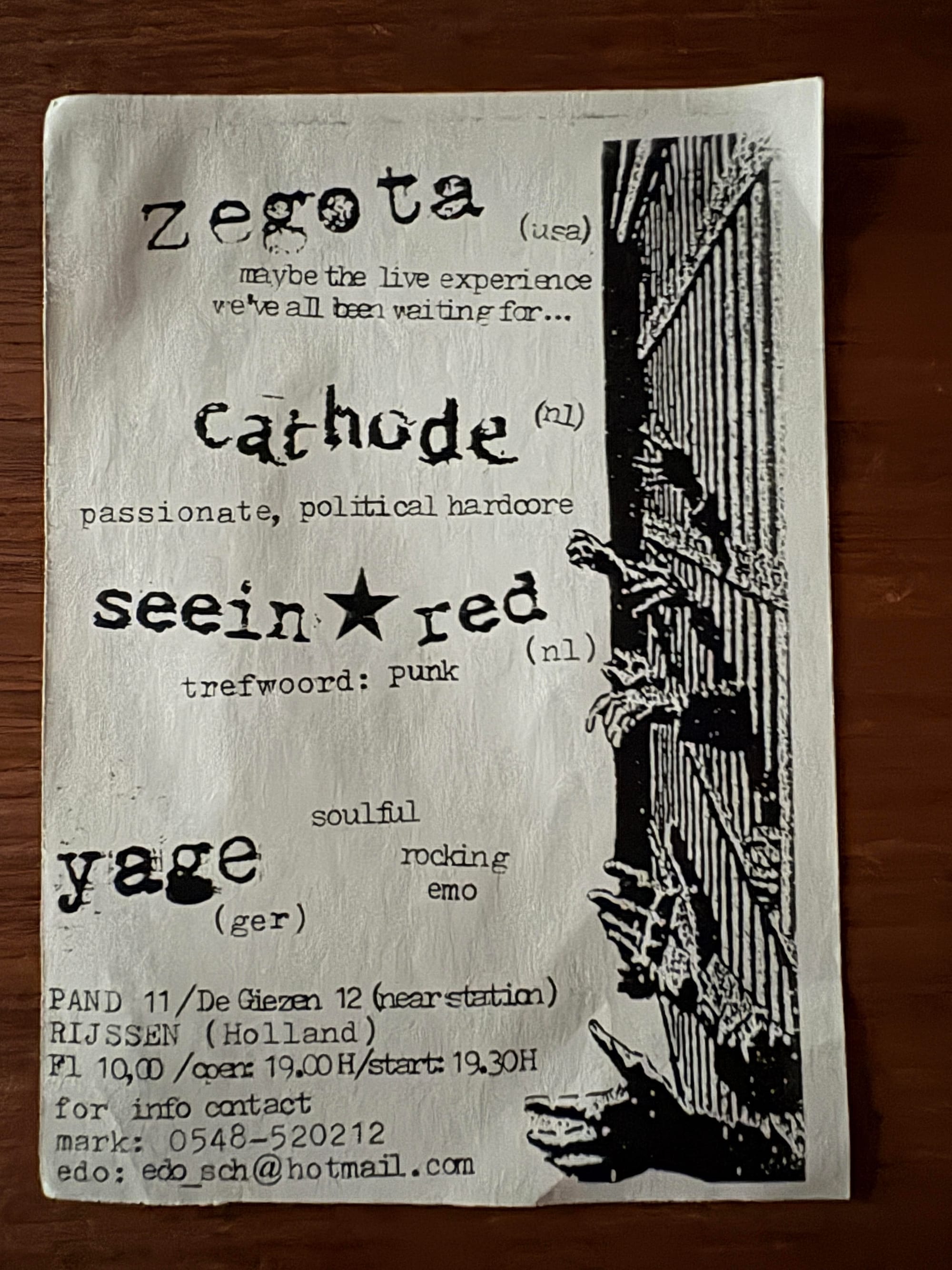
Punk is my roots, absolutely. When I was a teenager, I'd go buy CDs at the local record shop—every Saturday, I'd find stacks of CDs, listening to as much as I could. I [discovered] I was attracted to heavier music. And I went from The Offspring to the Ramones, and then I ended up at Strife, a straight edge band from L.A., and then Earth Crisis, all that stuff.
[My interest in] dance music came later. For a long time, because I was surrounded by punk bands and playing in Cathode [a Dutch punk band], I always thought, Okay, [music] needs to be political. It needs to have a message. We need to fight against all the things that we are mad about.
At that time, I never realized that dance music can also be super revolutionary—and is revolutionary, especially where it started, and still can be. Electronic music doesn't always have a [focus on vocals,] you know, so I always left it alone. Then we were on tour with the band that I was playing in at that time—in South America, in 2003—and a friend from São Paulo, Fabio, who organized the tour, he loved techno music, and he took me to a club and to a rave.