Slug Beat: Going off-grid
Kiernan Laveaux, Sug, and Johnny Zoloft discuss their new freak-jazz psych-fusion drum-clatter band, Slug Beat.
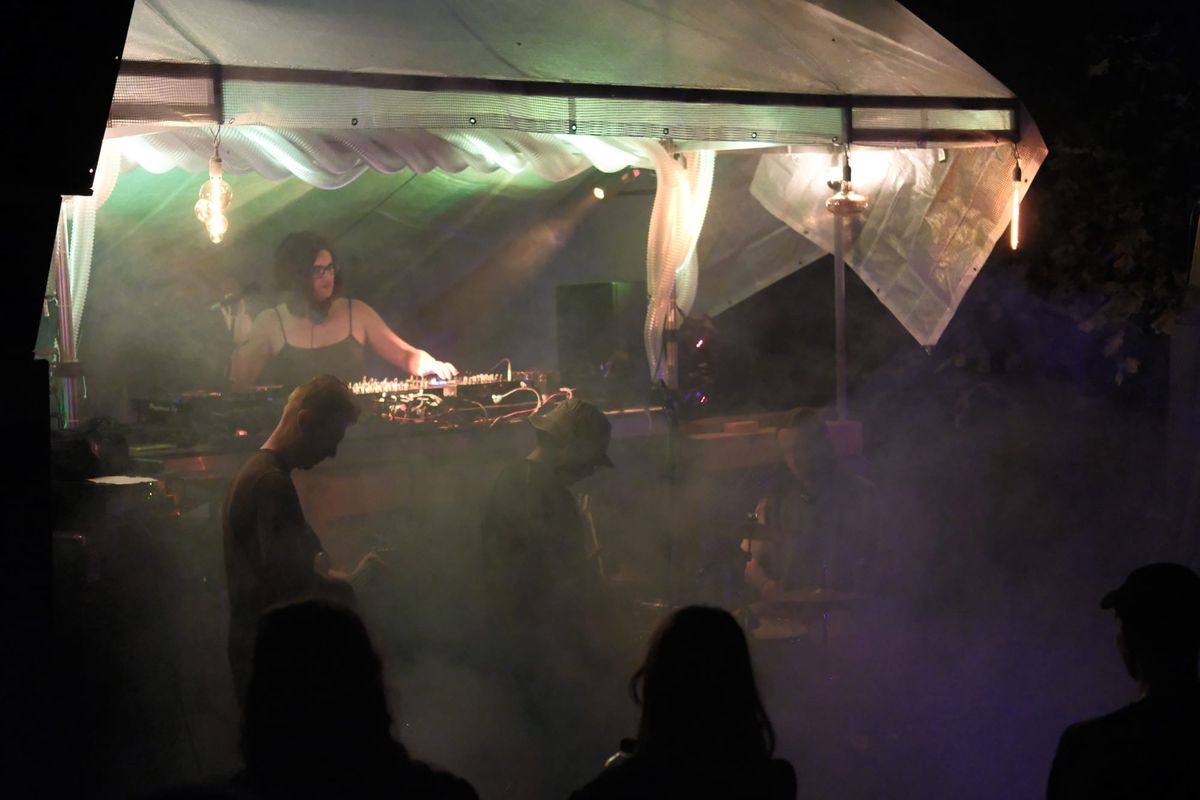

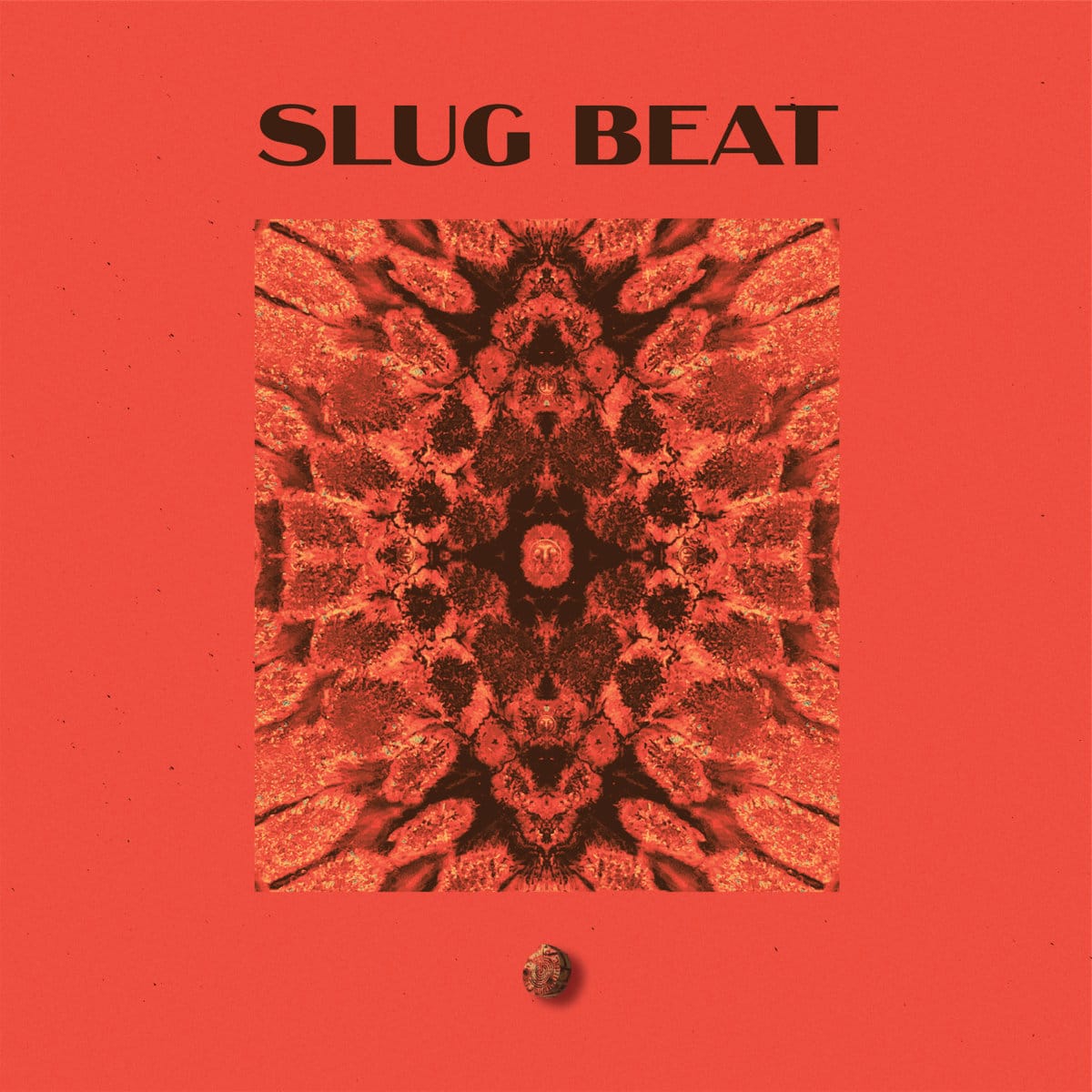
In October 2026, I am listening to Slug Beat by Slug Beat: a total reinterpretation of the 2024 album performed by a three-piece band, with Sug (aka M. Sugarman) joined by unparalleled DJ-musician Kiernan Laveaux (aka Shane C.) and drummer extraordinaire Johnny Zoloft (aka Justin K.).
What kind of band, exactly, is Slug Beat? That's an open question, and in speaking with the trio themselves, it seems that Slug Beat is constantly being remade, and refashioned, each time the band performs. Which, going by what they tell me, seems to be exactly the point.
The music itself is truly psychedelic, a post-techno free-jazz freak-out that sounds like a dying star exploding and rebirthing, often within the same song. But the act of listening to the album is a rather trippy experience, too—because while Slug Beat (the band) are clearly reworking and revising Slug Beat (Sug's original album), they are also doing something else altogether. If you listened to Sug's Slug Beat, the new Slug Beat will sound familiar, but completely different.
I am particularly drawn to music that straddles many worlds without easily fitting into any of them, which is why I love Slug Beat by Slug Beat, and why I loved interviewing the trio.
Read below to learn how these three came together and crafted an album that sounds unlike anything else you'll hear this year. Enjoy!
Kiernan Laveaux
[How would I describe the album?] Cosmic slop. Should I go harder?
I think the record is, I would say, a journey from birth to death. It's almost like you're a besieged larva, crawling out of the mud, and then you evolve, and it's—I don't think it's a concept album, but I do think the songs have an arc that's almost like you're born, and then you suffer, and then you love, and then you die.
Johnny Zoloft
For me, I think of things in a referential and a technical way. I really love the way you describe it, Shane [aka Kiernan Laveaux]. But for me, it reminds me of the ambitious fusion music I grew up watching on YouTube, and being like, What the fuck? How does this happen?
I feel like [Slug Beat is a] concussed interpretation [of that].
And it hits a sweet spot for me, because when we're making this [music,] it feels free. I mean, there's songs, there's tunes, but it's liberated from—there is a structure, but the structures are like worms, and they're digging tunnels through time.
Sug
For me, it's … the eternal return. It's like—life is a recurring dream. You wake up every day, and you're living the exact same thing, in a totally different way. And this is the second version of the Slug Beat album that I put out a couple years ago. But it's also clearly not that, right? It's [something] completely different.
And the way I look at it is, if you take the things that make up your life and your world, and you find the right people to share that with, [those things] just explode in a way that totally mystifies you, and surprises and enchants you.
It's important for me with a lot of things in life, [including] this material and this band, that as fast as possible, [these things] become not mine anymore. [That those things become] something that is part of a bigger thing that I'm tapped into. I feel that way with the music itself. It's like some weird mix of things that I've loved since I was a little kid, all the way to [reflecting] things that I've been turned on to, musically, in the past few years, and it all just feels like a big cycle to me.
On the album structure and song structure level, what Shane was getting at—I do think this is an album where you can really hear these kinds of cycles taking shape.
Something that was always in the back of my head as I was watching this group take shape, is listening to John Coltrane performances from the late '60s, where he's playing the shit that he made earlier in his career, or standards that he used to play all the time. [And] it's just different. It's whacked out.
I think, as an artist, but also as a person, that's kind of the dream—that your relationship to [your own work and output] is always changing, and you're kind of riding it.
I guess in that telling of it, Slug Beat is a band playing standards, but I wrote those standards myself. But I don't think that's true either.
Johnny Zoloft
I know what [Sug is] saying [about] standards, but from my end, it kind of [does feel] like that. Because when you're playing standards, you get to play the theme, but then take wherever it goes, and that's what's so fun about [Slug Beat] for me. I mean, those recordings [which became the album] captured like what it was that weekend [that we recorded them].
[But the way the tracks sounded] was completely different whenever we played.
Sug
[The album and band came together because] by the time [the original] Slug Beat album came out, some of that material was about three years old. It was all stuff that had grown out of live sets I was playing.
I knew that it was not ideal for [those tracks I wrote] to live and die as solo music. I just thought it would be cool if a band played it. [A previous band I was in, Organsm,] was the first free-fusion band that I started. That one kind of fell apart as bands fall apart—I'd say 50% because of poor leadership on my end.
So I was like, That kind of band, playing revamped Slug Beat stuff, could be cool. And Shane, honestly, I've told you this, but—you're the reason why this band exists. Because you were just like, That sounds cool, I'd be in this band. [At that time,] Shane had been playing with Justin [aka Johnny Zoloft], [doing their] JZKL EP. I think I heard that JZKL record maybe six months before the first Slug Beat shows and practices. I reached out and I was just like, Yeah, let's give [this band] a shot. [And that's] how this lineup formed.
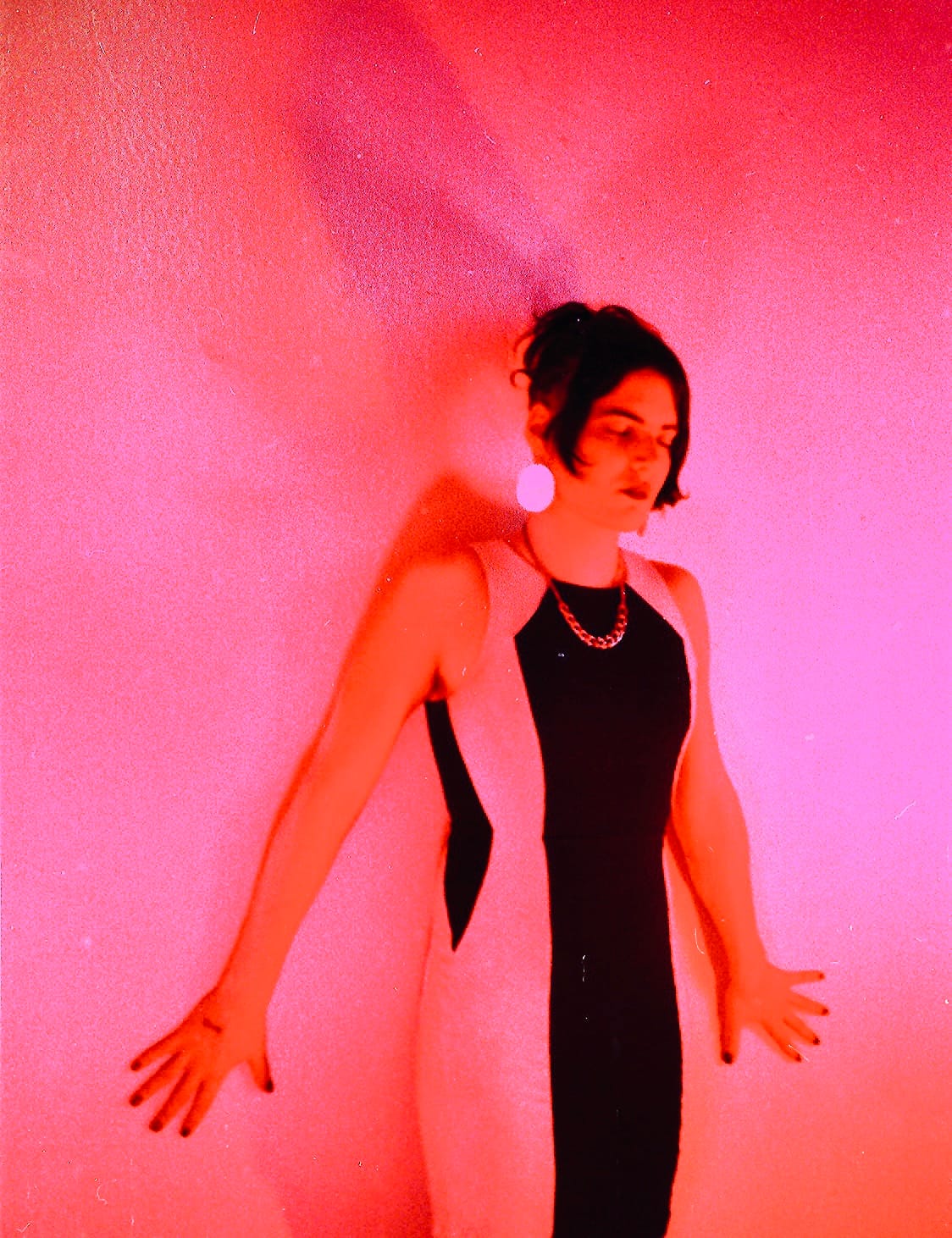
Kiernan Laveaux
I would also note, on my end, part of how it came together is because I got asked by Lizard Label to write the Bandcamp description for the Slug Beat CD—which I really could have used an editor on—but that's how Sug and I connected. And then, yeah, I did kind of insert myself into the idea of the band. I was like, That sounds sick. I would do that.
Justin and I had already connected, and we were making music as JZKL, which is our duo. Sug was like, I'm looking for a drummer, and I was like, Yeah, I know a pretty fire drummer [Justin].
I have a good memory of realizing that Elvin Jones is both [Sug's and Justin's] favorite drummer. That was like, Damn, what have I done? And then yeah, we did some shows, and enough of them went right that it felt good.
Johnny Zoloft
I live in Queens [now], but I lived in Pittsburgh for about 11 years, [which is how I connected with Shane].
Kiernan Laveaux
In this funny way, where it took us way longer to meet than it really should have—we were one degree of separation from each other for years.
Johnny Zoloft
[JZKL came together because] I was like replying to Shane's stories for like a year, and then eventually she was like, Wait.
Kiernan Laveaux
I forget what exactly was the straw that broke the camel's back. It was house music, and Justin was like, I have a rip of this. We should DJ together sometime.
I do remember Justin and I had met up, and we're mixing together, and Justin sent me the demo of this track of theirs called "Fields." And then I remember being like, Yo, this is crazy. Fuck DJing together. We should make some music together. I was like, Look, girl, I DJ with enough people. We need to make some shit.
So then we started jamming and making music around the end of 2022. Right around when our Pancake of the Infinite EP came out, we started forming the idea for playing live as JZKL, which is different from what we had been making [in the studio]. This live thing, we've been calling it energy music, which I think is a really good way to put it. It's a Milford Graves-inspired way to describe it.
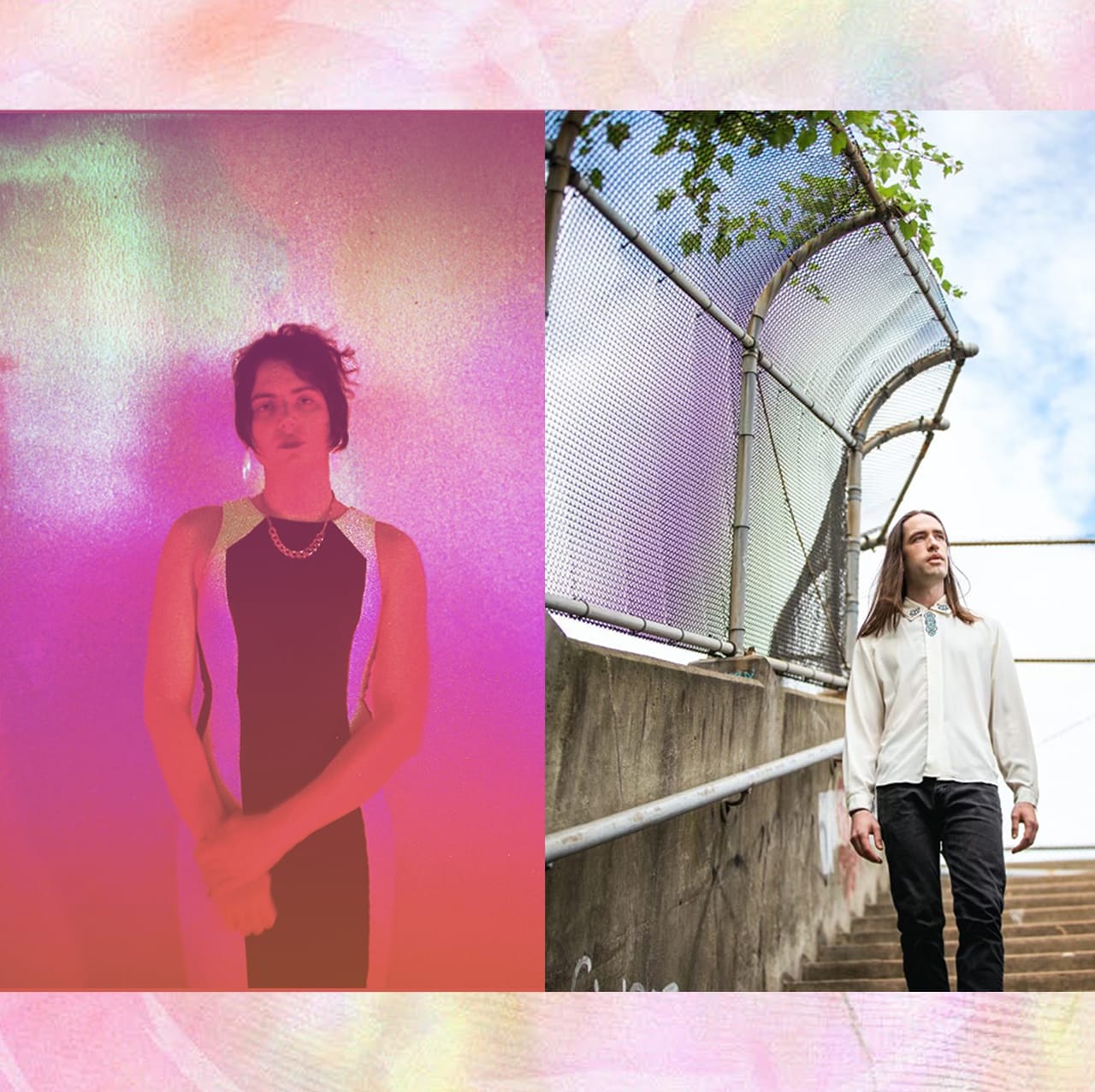
Johnny Zoloft
I've always been really into dance music—I'm on drummer life. [But my musical background began] in the classical world, and I was swinging for the orchestral game, and I crashed out of that, in a master's program.
I went through some pretty intense conservatory stuff that both crafted who I am and also broke me in ways that I'll never recover from.
[Classical music education doesn't] teach you how to use your feet, so I had to teach myself how to do that. But I dropped out, and moved to Pittsburgh, and I was actually a music writer for a little bit. [Eventually] I kind of reoriented my life—I started teaching drums, and I focused on making sure I had a place to do my thing [musically speaking], and that's what spawned all the collaborations and music-making [I've been involved in].
That's the way living in Pittsburgh is cool—because you can have a house with a room for music. You can have space to do shit. I have a room with a drum set and all these percussion toys—tambourines, and shakers, and all this stuff I collected for my life in the classical world, and [because] I fell in love with the ecstatic moments of the dancefloor, I was like, Oh, I can unite these [traditional and dance music worlds].
So it was a really cool challenge to dive into [Slug Beat,] because it's kind of already what I've up to. Sug made this incredible record with samplers, and I'm like, This [the drums I'm playing on the record] is the dialogue. I'm already here. We're going both directions—I'm recording myself to make tracks, and then deconstructing [already] recorded tracks to make a live thing. Playing in this band has been really cool, because it draws on every little part [of my musical skills]. Sug makes crazy rhythms—Sug is writing shit in 7/4 [time], and I'm like, Yo, I'm so glad I have this [classical percussion training] in my bag.