K Wata + E Wata: At the cutting edge
Two New York artists pushing the sound of American bass music to its farthest reaches.
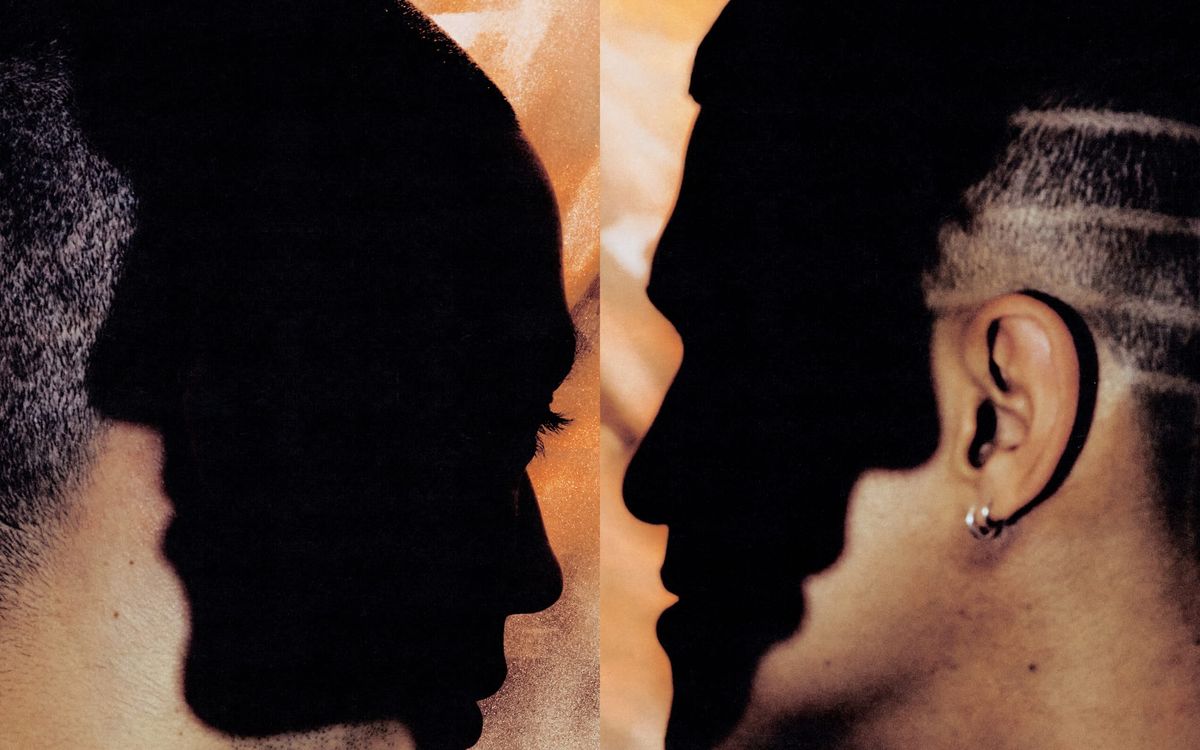

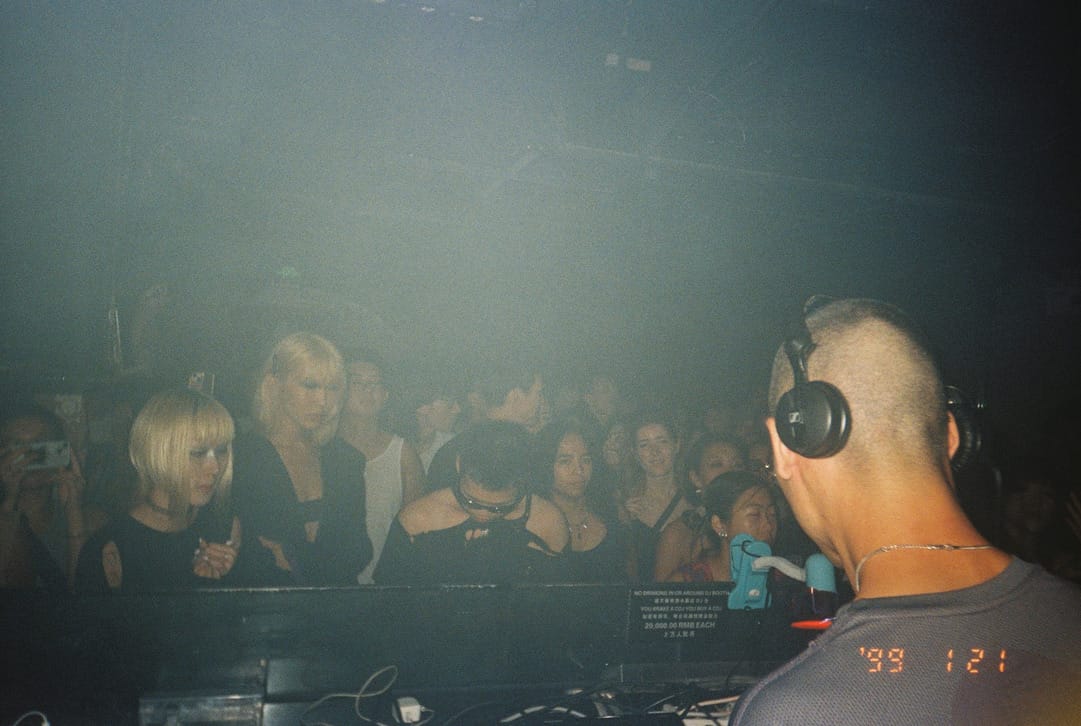
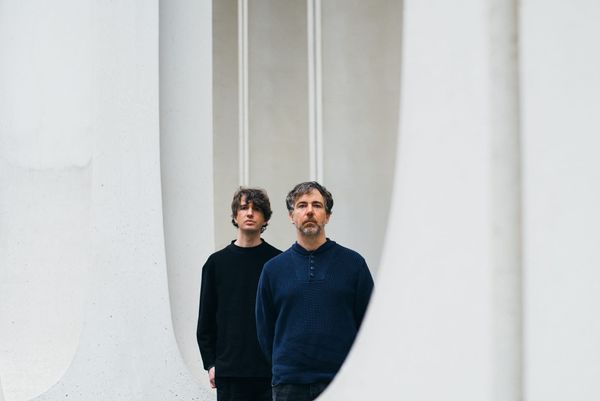
And if you've attended any U.S. festivals showcasing electronic music's cutting edge—Sustain-Release and Dripping on the East Coast; Osmosis and Parameter-Endzeit on the West—you've maybe already had your mind blown to smithereens by E Wata, the live-focused duo project by Perron and fellow artist Enayet Kabir.
K Wata is deep, dubby, slinky (pun not intended—as you'll read below) and sensual, ideal for at-home listening. E Wata, on the other hand, is big and ballistic, laser-cut club music made for weighty soundsystems. Both are in a class of their own, as far as American bass music is concerned.
I caught up with the pair across two interviews—Kenzo solo on K Wata, Kenzo and Enayet on E Wata—to learn about their musical backgrounds, their roots in the New York scene, and how they've developed such extraordinarily fine sounds. Read, listen, and enjoy!
Kenzo on K Wata
[Growing up,] I always had music around. I'm from Seattle originally, and my mom was really into funk music, and she had these funk CDs and tapes that she would always be playing. And KEXP [Seattle independent radio] is such an amazing radio station, and my parents always had that on. I definitely think that was a huge influence [on me].
In terms of actually studying music, I played piano in elementary school a little bit. Didn't really take to it, didn't love it. And then I started percussion and drums in middle school—and, you know, shout out to my parents for allowing me to go down that path, not a quiet one—but I'm so thankful for it, because I think that's when I started taking music seriously, really falling in love with music.
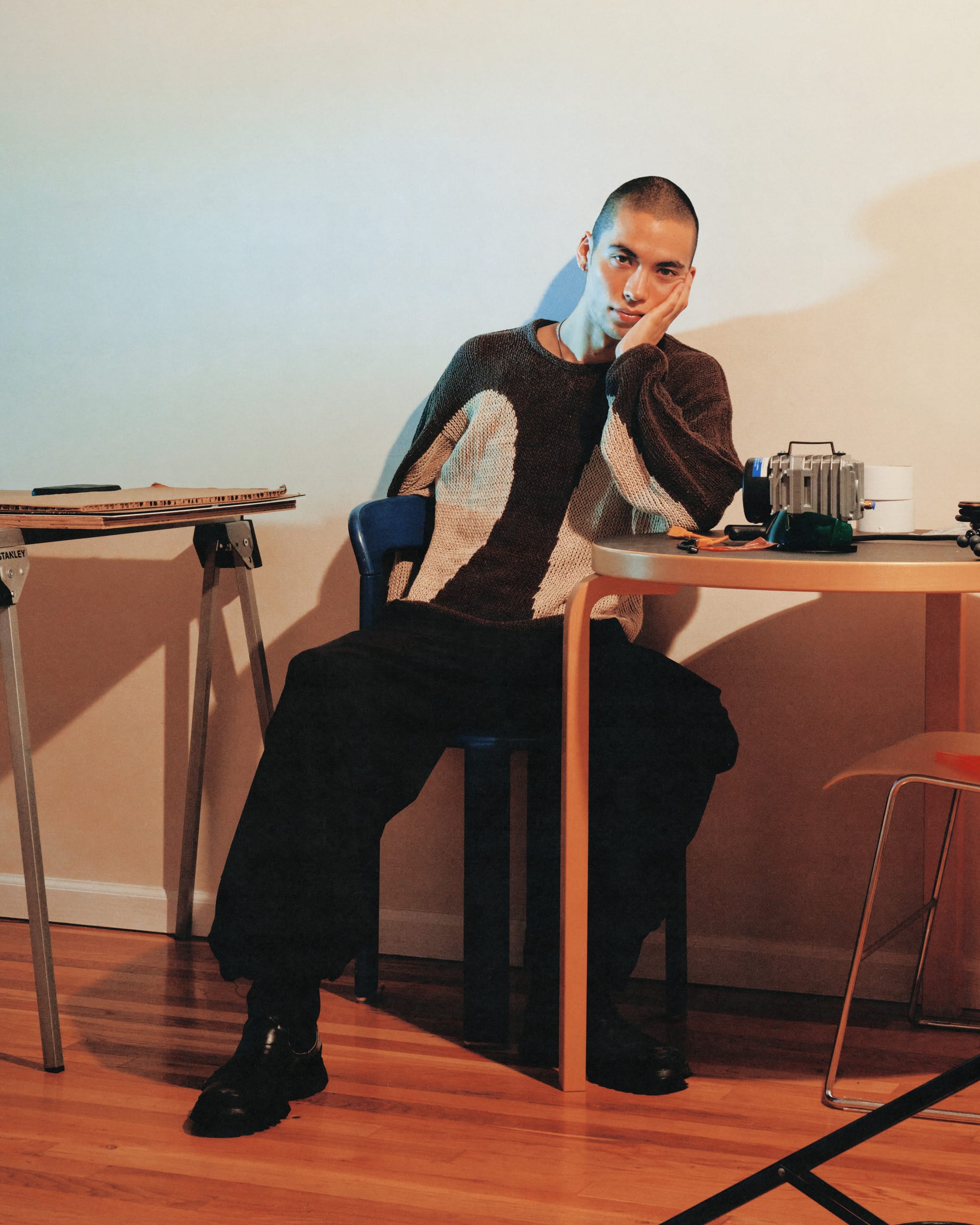
I grew up with this whole ecosystem. [As a young person,] I had liberal parents who were interested in giving their kids high quality music education; a scene in Seattle of world class jazz musicians who, maybe, had moved from New York and been developing their craft over the years; and then this knowledge that, Oh, these [high schools] have high quality music programs. There were kids who were moving to Seattle [just for these music programs].
There was this whole community of kids who were doing their own jazz combos outside of school, as well. You know, I was in this free jazz group, all high schoolers. I was not even nearly the best drummer in the program. And at the time I had gotten really into hip-hop, specifically J Dilla and the beat scene, Madlib, Flying Lotus, those sorts of touchstones, all that blew my little mind when I was around 13.
[As I got older,] I definitely was considering that path [playing drums], and I was gonna maybe go to Berklee for jazz drums and music production. But the whole time during high school, I had also gotten Reason [the DAW], and was just making stuff on my parents' computer. My parents, again—so supportive, I'm very appreciative of them—they signed me up for this beat-making camp at the Experience Music Project [a Seattle museum, now called Museum of Pop Culture, founded by Microsoft co-founder Paul Allen], and I immediately got hooked on that.
There were about six kids. I don't remember the instructor's name, unfortunately, but she was a local songwriter. She used Reason to make all of her demos, and she was great. She really encouraged us to experiment. We had all these fun prompts where it was like, Okay, I need you to make a beat that feels like you're in space. Fun and open-ended, not serious, not getting too caught up in the technical side, other than the basics. And I just had so much fun doing that, and even at that point, I thought, Okay, I think this [electronic music production] is gonna be my thing.
[Eventually, I ended up at NYU.] I did Music Technology there. Really, really great program. It's very professionally minded, in a way that I think, much later, I came to really appreciate. They were very realistic about what job prospects are for people who have Music Technology degrees. Like, You are probably gonna have to work in ads at some point. You should learn how to work with clients. You should learn how to do soldering. Get these hard skills, because that's what will keep you fed.
I really liked the faculty there, and [the program] was focused on studio hard skills. Like how tape works—there was a whole class where you have to record a piece only using tape, no DAW. It's funny, because at the time, I think I was a little frustrated. Like, I just want to make tracks. This is feeling a little limiting.
But then later, now, I'm so glad I have that foundation. [The program was] hugely influential. Getting into gear as a source of inspiration early on—just the fact of recording something to tape and then slowing it down was, immediately, Oh, okay, I get why people are obsessed with this. This is really cool, and this is a sound I recognize and I like. And pretty early on, I bought a reel-to-reel tape machine, and I was making tape loops.
[Attending NYU circa 2013 is how I landed in New York City.] And frankly, I didn't have a super developed taste in club music for a couple years, until after moving here. [By senior year of college,] I started figuring out how to go to cool things, like 285 Kent before it closed, DJ Slimzee, grime and club nights like Night Slugs and Ghe20Gothik—that whole sound was huge, especially amongst my age group. That was super formative. And also—I just hadn't heard music on a proper sound system. Afterwards, I remember thinking, Yeah, okay, I understand techno now.
[Finding my place in NYC's music community] took a lot of time. [For a long time,] I was just a fan, just somebody going out, enjoying music and meeting people. I was always working on music, but I wasn't DJing, and I didn't even really have plans to start DJing. I just loved the music.
[In 2017,] one influential change was that I started working at MoMA PS1, when I was a senior in college. I stayed there for two years after—my first full time job. I was doing the Warm Up series, working as production assistant and production coordinator, and that was so informative. The amount of insane shows we threw—you know, I got very lucky with being there, because it taught me so much about production and everything that goes into putting on an event.
But I was not really driven to be an artist at that point. I was just enjoying being a part of [the Warm Up series] and helping make things happen. And, yeah, I was incredibly underpaid, but it was such a good time. Extremely formative.